
Why Marine Bioproducts Point the Way for Australian Aquatic Food Security
Attending Marine Bio-Connect 2026 in Hobart, hosted by the Marine Bioproducts CRC (MB-CRC), confirmed that Australia stands on the cusp of an aquatic bio-revolution. The energy in the room was palpable—researchers, bio-processors, entrepreneurs, and supply-chain pioneers connecting to turn science into scalable, circular commercial realities.
The biggest takeaway for Australia’s 26 million seafood consumers: there is no longer any such thing as "waste" in aquatic production—only unharvested value.
The Circular Bioeconomy: Byproducts from Byproducts
Every session delivered practical breakthroughs. Global leaders—from the Iceland Ocean Cluster's 100% Fish model to local innovators like Marinova and Venus Shell Systems—demonstrated how side-streams can yield compound value:
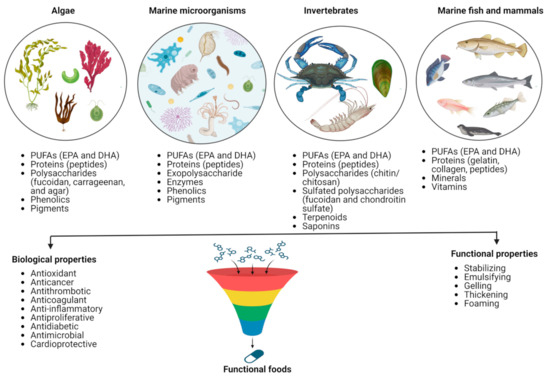
- Marine collagen and bioactive peptides for medical and dermatological repair.
- Pure marine lipids and omega-3 concentrate supporting brain health and maternal nutrition across the first 1,000 days.
- Secondary bone-derived calcium minerals, soil biologics, and natural food-preservation matrices derived from the very processing fractions previously discarded.
For consumers facing soaring grocery bills, supply-chain squeeze, and unverified imports, this circular bioprocessing mindset holds the key to domestic food security and price resilience.
The European Carp Lesson: Commercial Processing vs. Flushing Millions on a Biocontrol Pipe Dream
The conference threw Australia’s freshwater management approach into stark relief.
For nearly a decade, Commonwealth and state agencies have burned tens of millions of dollars exploring the National Carp Control Plan—specifically releasing a cyprinid herpesvirus-3 (carp virus) into our river systems. As SCA and independent environmental scientists have repeatedly warned, releasing a pathogen into the Murray-Darling Basin risks catastrophic water-quality contamination, toxic hypoxia, mass secondary native fish kills, and the destruction of town drinking-water supplies.
Even worse, killing millions of tonnes of protein and letting it rot in public waterways squanders a sovereign national asset.
Activating FAFCoE: Total Biomass Utilisation
The bioproducts roadmap showcased at Marine Bio-Connect proves that the Seafood Consumers Association’s proposal for a Freshwater Aquatic Food Centre of Excellence (FAFCoE) is the only rational, economically viable pathway forward:
- Harvest the Biomass: Rather than introducing a bio-polluting virus, incentivize commercial harvesting fleets to systematically pull hundreds of thousands of tonnes of invasive European carp out of the Murray-Darling Basin.
- Fractionate for 100% Value: Process that massive biomass using advanced bioprocessing lines:
- Primary Protein: Nutritious, affordable minced fish protein, fish paste, and shelf-stable aquatic foods for institutional and domestic consumption.
- Secondary Bioproducts: Bio-peptides, rich omega-3 oils, pharmaceutical-grade gelatin, high-nitrogen circular biofertilizers, and regenerative soil amendments.
- Self-Funding River Remediation: Instead of perpetual public expenditure on ecological eradication schemes that fail, commercialising carp creates regional jobs, feeds communities, and funds long-term river rehabilitation.
Turning Opportunities into Realities
Australia cannot continue operating on linear, 20th-century models where wild catch is partially processed, and invasive biomass is treated as poison to be left rotting in our rivers.
Marine Bio-Connect 2026 proved that the technology, processing systems, and market appetites are already here. It’s time for government portfolios—Treasury, Agriculture, and Environment—to align with this momentum.
A massive thank you to the Marine Bioproducts CRC and all participants for driving the national agenda forward. Already looking forward to next year.
Comments
No comments yet.