
Why Federal Law Should Be Australia’s Gold-Standard Seafood Eco-Label
The agricultural sector is currently reeling from the federal government’s major overhaul of the 25-year-old Environment Protection and Biodiversity Conservation (EPBC) Act. With the rollout of the new National Environmental Protection Agency (NEPA) and severe civil penalties—up to $1.65 million for individuals and $16 million or 10% of annual turnover for corporations—primary producers are facing an anxious landscape.
At a recent Central Queensland field day, graziers voiced serious concerns over confusing mapping, complex self-assessment frameworks, and a lack of prior consultation. NEPA officials insist these reforms target high-risk actions rather than routine primary production. However, this land-based friction highlights an urgent question for Australia’s marine sector: if federal environmental oversight is this comprehensive, why aren't we leveraging it to cut costs for consumers?
Land vs. Sea: Unpacking Federal Oversight
Australia’s commercial fisheries are already subject to some of the strictest legislative scrutiny on earth under Parts 10, 13, and 13A of the EPBC Act.
| Sector | Primary Regulator | Core EPBC Act Focus | Compliance Reality |
|---|---|---|---|
| Agriculture / Grazing | NEPA & State Bodies | Land clearing, watercourses, habitat for threatened species | Navigating new risk-based self-assessments and severe penalties. |
| Wild Seafood Fisheries | Federal/State Fisheries Authorities & NEPA | Ecologically sustainable harvest, marine reserves, protected species | Mandatory statutory assessments and export approvals. |
The Cost of Redundancy: EPBC vs. Third-Party Eco-Labels
Despite satisfying federal environmental standards mandated by law, Australian seafood producers are routinely pushed to pay steep fees for private, third-party certifications like the Marine Stewardship Council (MSC).
- Duplicated Regulatory Standards: The EPBC Act’s Guidelines for the Ecologically Sustainable Management of Fisheries already evaluate stock sustainability, ecosystem impact, and management effectiveness—the exact core principles audited by MSC.
- Financial Strain on Fishermen: Third-party MSC audits and annual licensing can cost individual fisheries tens to hundreds of thousands of dollars.
- Higher Checkout Prices: These certification costs trickle straight down the supply chain, adding unnecessary premiums to Australian seafood at the retail counter. We have asked MSC to communicate on this but are yet to receive a detailed response.
The Solution: A Government-Backed National Accreditation
Instead of forcing fishers to navigate dual compliance layers, the Australian Government should establish a formal, national "EPBC-Certified Sustainable" accreditation mark.
By replacing third-party certifications with a government-backed seal tied directly to EPBC Act export and sustainability approvals, we can validate Australian wild-caught seafood’s world-class credentials, eliminate middle-man certification fees, and pass real savings back to Australian families.
The Australian Health Certificate is ‘gold’ in international settings and there is no reason the "EPBC-Certified Sustainable" accreditation mark cannot do likewise.
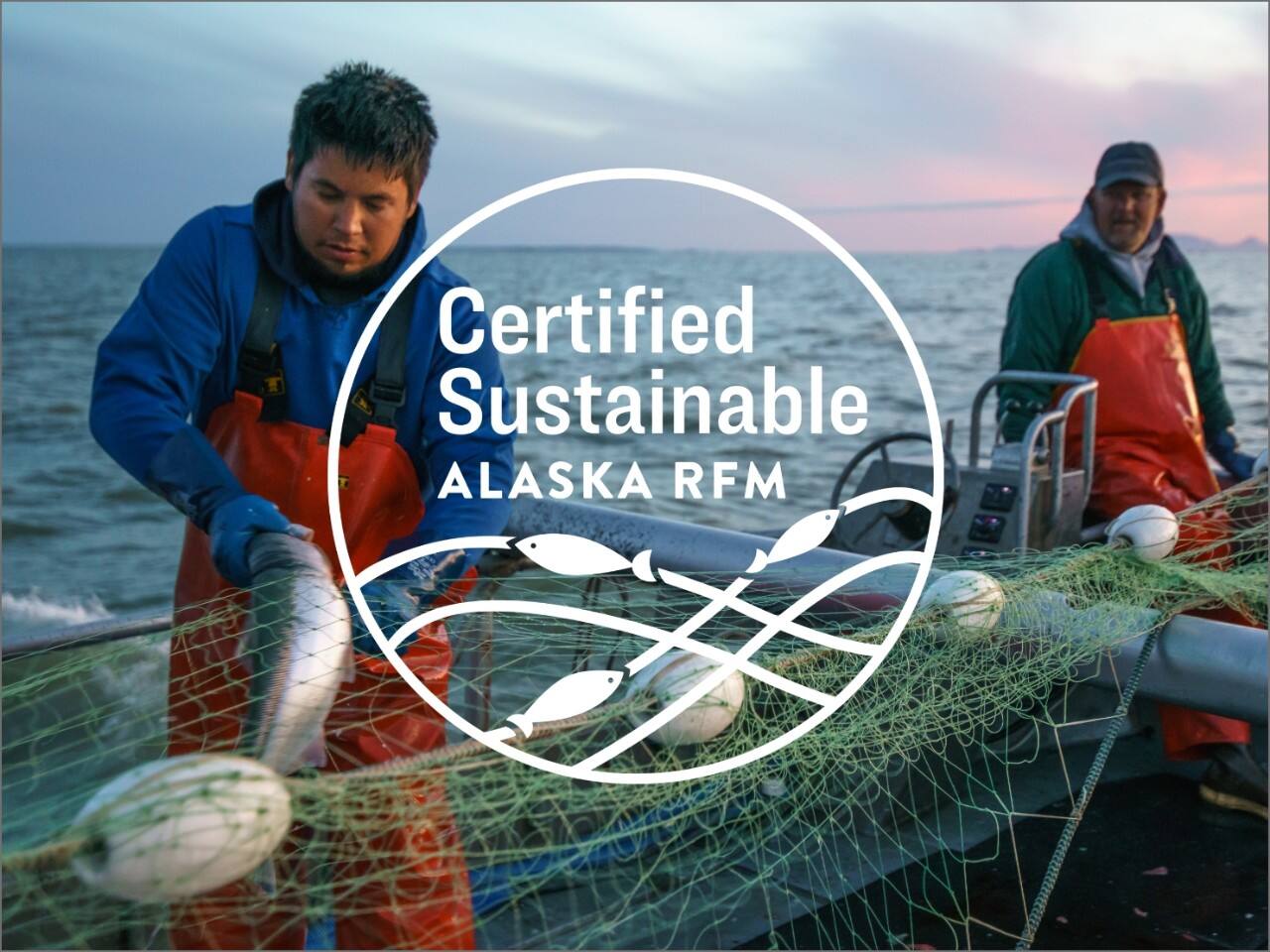
What are your thoughts on replacing private eco-labels with a government-backed EPBC accreditation? Note countries like Iceland have achieved this and even states like Alaska.
Comments
No comments yet.