
Shrinkflation, Skimpflation, and the Seafood Consumer
Canstar’s Data Insights Director, Sally Tindall, regularly highlights the stealthy ways inflation hits household budgets. While terms like "shrinkflation" and "skimpflation" are often discussed in relation to everyday groceries, they are profoundly relevant—and uniquely challenging—in the seafood aisle.
As advocates at the Seafood Consumers Association (SCA), we know that when cost-of-living pressures rise, the less transparent practices of the seafood industry can easily slip under the radar. But what exactly do these terms mean, and what should seafood consumers be watching out for?
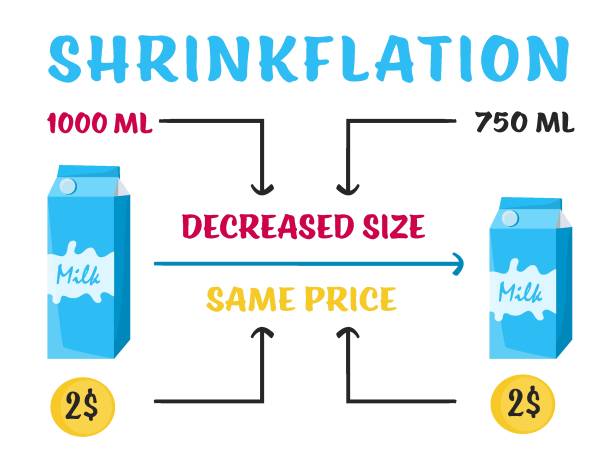
Shrinkflation: Paying the Same for Less
Shrinkflation occurs when the physical size or weight of a product decreases, but the retail price remains the same. It is a quiet erosion of value. For seafood consumers, this often presents as a fundamental issue of supermarket price transparency and accurate weights and measures. A familiar bag of frozen prawns might subtly drop from 500g to 400g, or a pre-packaged fish portion might shrink, yet the cost at the checkout doesn't budge. This is essentially ‘short weighting’ disguised by clever repackaging.
With ongoing scrutiny at the federal level—including submissions to the Productivity Commission regarding supermarket pricing and retail practices—it is critical that consumers focus on the "unit price" (the cost per 100g or per kg) rather than just the overall price tag to ensure they are actually getting what they pay for.
Skimpflation: The Hidden Quality Cut
Skimpflation is arguably more deceptive. The product size and price might stay the same, but the ‘quality’ of the ingredients is downgraded to protect profit margins.
In the seafood sector, skimpflation rarely announces itself. Instead, it can look like: Over-glazing: Frozen fish fillets are coated in an excessively thick layer of ice (glaze). You end up paying premium seafood prices for the weight of frozen water.
Dilution: Prepared seafood products, like marinara mixes or canned goods, are suddenly filled with more sauce, oil, or cheaper filler ingredients, diluting the actual seafood content.
Species Substitution: The ultimate form of skimpflation. This occurs when a premium, expensive fish is quietly swapped out for a cheaper, lower-quality species without the consumer's knowledge. Ghis can easily be done by putting the fish in breadcrumb or batter, etc.
Navigating the Glossary of Deception
These tactics—short weighting, over-glazing, dilution, and species substitution—form a veritable glossary of deception. Because seafood fraud and these subtle inflationary tactics so often hide in plain sight, consumer vigilance is the best defence. When purchasing seafood, read the fine print, check the drained weight on packaged goods, and demand accurate fish names. The path to a sea of accountability starts with consumers who demand transparency and refuse to accept compromised quality or hidden costs.
All of these issues are discussed in more detail in the soon to be published ‘Sea of Deception’ book – stay connected for more information.
Comments
No comments yet.