

Australia’s Environmental Powerhouse and Culinary Gem
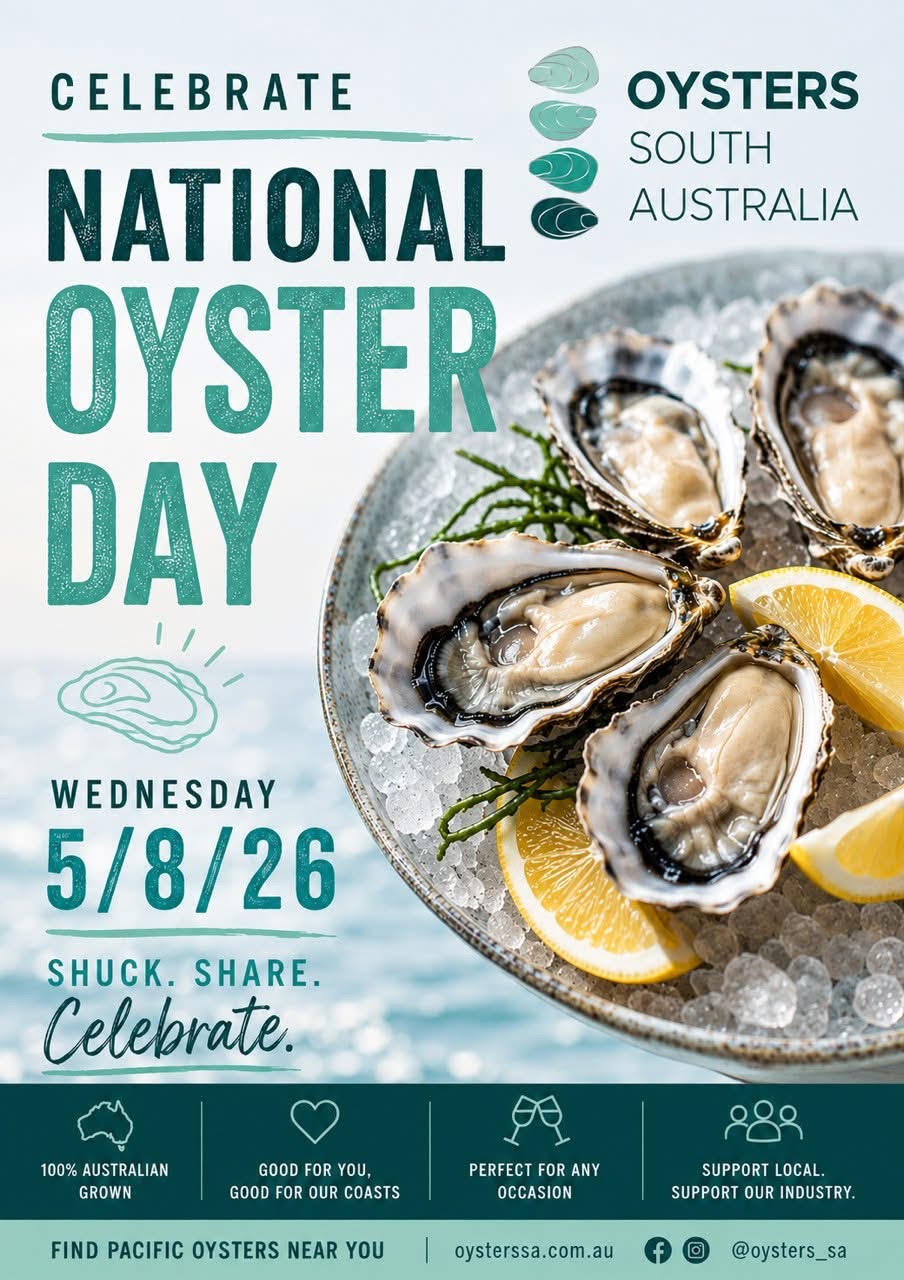
August 5 marks National Oyster Day—a dedicated time to celebrate one of Australia’s most treasured, sustainable, and nutrient-dense seafood delicacies. Across Australia's coastal communities, oyster growers tend to pristine estuaries and bays, cultivating a world-class product that nourishes both human health and marine ecosystems.
Australia’s Key Oyster Species and Growing Regions
Australian oyster farming combines traditional knowledge with modern aquaculture across diverse marine environments. Three primary species dominate Australian coastal waters:
- Sydney Rock Oysters (Saccostrea glomerata): Endemic to Australia, these oysters are native to the east coast. Renowned for their rich, mineral-driven flavor profile and long shelf life, they take three to four years to reach market size.
- Primary Regions: Extensively cultivated along the coast of New South Wales (including the Sapphire Coast, Wallis Lake, Hawkesbury River, and Port Stephens), as well as Southern Queensland and Western Australia.
- Pacific Oysters (Magallana gigas): Originally introduced from Asia, Pacific Oysters thrive in cooler southern waters. Recognized by their deeply cupped, ruffled shells and crisp, clean, briny finish, they reach market size in a rapid 18 to 24 months.
- Primary Regions: Highly prized across South Australia (Coffin Bay, Smoky Bay, and the Eyre Peninsula), Tasmania (Bruny Island, St Helens, and Pipe Clay Lagoon), and designated biosecure estuaries in NSW.
- Angasi / Native Flat Oysters (Ostrea angasi): Australia’s native flat oyster shares a close relative in the European flat oyster. Offering a wild, gamey, and deeply savory profile, this boutique species is experiencing a resurgence among culinary enthusiasts.
- Primary Regions: Harvested in boutique quantities in South Australia, Tasmania, Victoria, and parts of southern NSW.
The Ultimate Ocean Superfood: Health Benefits for Humans
Beyond their distinct "merroir"—the unique flavour conferred by the local waters in which they grow—oysters stand as one of nature’s most nutritionally balanced superfoods.
- Zinc Powerhouse: Oysters contain higher concentrations of zinc per serving than any other food on Earth. Zinc plays a crucial role in immune system function, cellular growth, wound healing, and reproductive health.
- Rich in Essential Minerals: They deliver abundant natural iron to combat fatigue, as well as selenium, magnesium, copper, and calcium for bone density and metabolic regulation.
- Heart and Brain-Healthy Fats: Oysters provide high levels of essential Omega-3 fatty acids (EPA and DHA), supporting cardiovascular health, reducing inflammation, and sharpening cognitive function.
- Vitamin B12 and Pure Protein: Packed with high-quality protein and exceptional levels of Vitamin B12, a single serving satisfies daily requirements for nerve function and red blood cell production.
- Lean and Low-Calorie: Naturally low in total fat and cholesterol while remaining virtually carbohydrate-free, oysters offer maximum nutritional density with minimal caloric intake.
Environmental Heroes: Nature’s Water Filters
Oyster farming represents restorative aquaculture at its absolute best—a production system that actively enhances the marine environment without requiring artificial feeds or chemical inputs.
- Unmatched Water Filtration: A single adult oyster can filter between 100 and 190 litres of estuarine water per day. By feeding on microscopic plankton and excess organic matter, oysters remove excess nitrogen and phosphorus, dramatically improving water clarity and allowing essential underwater seagrasses to flourish.
- Biodiversity and Habitat Creation: Commercial oyster infrastructure creates complex three-dimensional reef structures. These sub-surface habitats offer shelter, nursery grounds, and food for dozens of native fish species, crabs, and invertebrates.
- Canaries of the Estuary: Because oysters require pristine, unpolluted water to thrive, oyster farmers act as primary environmental stewards. Australian growers self-fund rigorous water quality testing programs, serving as an early-warning system for catchment health.
Raise a Shell Today
Whether enjoyed raw with a squeeze of fresh lemon, baked as Kilpatrick, or lightly grilled over charcoal, buying Australian oysters directly supports coastal farming families and sustainable ocean stewardship.
This National Oyster Day, head to your local fishmonger or seafood dining venue, ask for Australian-grown oysters by region, and celebrate the incredible work of Australia’s oyster growers!
Comments
No comments yet.