Australia’s inland waterways are undergoing a fundamental shift in how they are understood and managed. Recent work supported by the Fisheries Research and Development Corporation (FRDC) highlights a modern paradigm: "Reading the river."
This approach shifts away from viewing rivers merely as static pipelines or recreational playgrounds. Instead, it looks at freshwater ecosystems through a holistic lens—combining hydrological data, environmental flows, fish movement, First Nations knowledge, and habitat connectivity to manage wild populations dynamically.
For the Seafood Consumers Association (SCA), this scientific evolution is welcome news. However, for freshwater management to deliver genuine public value, "reading the river" must translate into feeding the nation. Managing river health cannot stop at environmental monitoring or recreational sport; it must incorporate food security, sustainable harvesting, and consumer equity for the 80%+ of Australians who access fish through retail counters and dining venues.
Moving Beyond the "Recreational-Only" Lens
Inland freshwater management in Australia—particularly across major river networks like the Murray-Darling Basin—has historically been dominated by two competing priorities: agricultural irrigation allocations and recreational fishing amenity.
While protecting environmental flows and supporting recreational angling are essential, this binary focus leaves everyday Australian consumers out of the conversation. When taxpayer funds restore river connectivity, construct fish passages, and fund ecological research, the non-fishing public deserves a tangible return on that investment in the form of sustainable, high-quality, Australian-grown freshwater seafood.
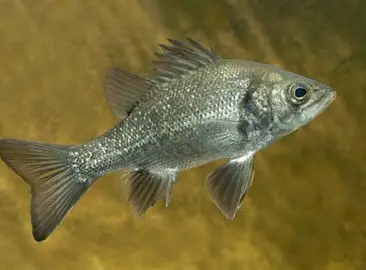
Native species like Murray Cod, Golden Perch (Yellowbelly), and Silver Perch are prized table fish. Yet, due to restrictive commercial access and policy biases, fresh Australian native freshwater fish remains a rare luxury on retail display counters. "Reading the river" provides the exact scientific framework needed to identify where controlled, sustainable commercial harvesting or culture-based stocking can safely occur without compromising wild stock recovery.
Turning Invasive Crises into Commercial Food Solutions
A truly modern approach to reading our rivers must also address the dominant biological biomass in Australian freshwaters: European Carp.
For decades, management policy has been stalled by the search for biological silver bullets, such as the proposed release of the cyprinid herpesvirus. The Seafood Consumers Association has consistently warned that releasing a lethal virus into dynamic freshwater systems risks catastrophic oxygen depletion, rotting biowaste, and severe water quality collapse.
"Reading the river" means understanding river ecology as a whole—including nutrient flows and land run-off. Combining strict catchment management (stopping agricultural run-off that causes toxic algal blooms) with large-scale commercial harvesting of Carp turns an environmental threat into a national food security asset.
Commercial utilization of Carp offers immediate benefits:
- Valuable Protein & Product Lines: Transforming Carp into value-added human food products, high-grade organic fertilizers, and premium aquaculture feeds.
- Habitat Restoration: Reducing Carp biomass directly improves water clarity, protects aquatic vegetation, and allows native fish species to thrive.
- Regional Jobs: Establishing regional freshwater processing hubs creates sustainable industries in regional Australia.
Bridging Science, Hatcheries, and the Consumer Display Counter
As researchers and water managers learn to read hydrological triggers and fish behavior more accurately, this science must be connected directly to state stocking and hatchery programs.
Recent scientific reviews (such as Lonergan et al., 2026) demonstrate that fish stocking achieves its highest socio-economic returns when targeted at overcoming specific recruitment bottlenecks—such as dams and weirs—and integrated into structured, managed harvest systems.
State-of-the-art public hatcheries (such as Victoria’s Arcadia Native Fish Hatchery) produce millions of native fingerlings annually. By applying "reading the river" principles, governments can establish dual-purpose hatchery models:
- Releasing fingerlings to restore wild populations and recreational fisheries in open rivers.
- Supplying disease-screened seed stock to land-based commercial aquaculture and managed "culture-based" impoundments to feed retail consumers.
The SCA Call to Action: A 3-Point Agenda for Freshwater Governance
To ensure that transforming river management benefits all Australians, the Seafood Consumers Association advocates for three core policy integration steps:
- Formalize Consumer Equity in Water Management: Ensure that state and national freshwater advisory bodies include structural representation for commercial food supply chains and consumer food equity, alongside irrigation and recreational interests.
- Commercialize Carp Harvests & Processing: Shift federal and state funding away from viral eradication concepts and toward commercial harvesting infrastructure, processing innovation, and catchment run-off reduction.
- Establish Managed Freshwater Commercial Supply: Utilize ecological data from river monitoring to establish sustainable, quota-managed commercial fisheries and culture-based harvest zones for native freshwater species.
The Bottom Line
"Reading the river" is a vital step forward for Australian aquatic science. But a river system is only truly healthy when it supports both its natural ecosystem and the human communities that depend on it for sustenance. It is time for fisheries managers and politicians to ensure that the science transforming our rivers also helps put fresh, sustainable, Australian freshwater fish back on the dinner tables of everyday families.
Comments
No comments yet.