
This week the annual Australian Institute of Food Science and Technology (AIFST) Convention brought together Australia’s leading scientists, regulators, and food innovators around a central goal: turning research ideas into real-world impact. While the headline sessions spanned biosecurity, artificial intelligence, and precision nutrition, a closer look reveals massive, strategic implications for Australian seafood consumers.
From sovereign food security to supply chain integrity, here is how the key themes from this year’s convention are set to shape what lands on our plates.
Aquatic Food Systems: Sovereign Protein and Food Security
A major highlight of the convention was the focus on national food security led by Dr. Chris Downs and Australia’s Food and Beverage Accelerator (FaBA). A key takeaway for the agrifood sector is the need to integrate aquatic food systems directly into Australia’s sovereign resilience matrix.
For consumers, this opens the door to transforming environmental challenges into sustainable nutrition. For instance, scaling freshwater processing to utilize invasive species like European Carp can turn an ecological burden into high-grade, local protein. Elevating sustainable wild-catch and commercial aquaculture as core pillars of national food security ensures that local families retain access to healthy, Australian-grown seafood.
Tackling Food Fraud: Moving Toward "Food Surety"
Supply chain vulnerability and food safety culture were central topics, with panels emphasizing a shift from rigid checklists to human accountability. The convention highlighted international intelligence-sharing frameworks, such as the UK’s Food Industry Intelligence Network (FIIN), as proven models for closing systemic vulnerabilities.
For seafood consumers, this offers strong leverage to advocate for a similar shared-data "Food Surety" platform in Australia. Species substitution and mislabeling often hide in plain sight across seafood supply chains. By adopting structured education frameworks like I-CADMUS and shared intelligence platforms, the industry can combat seafood fraud, eliminate mislabeling, and give consumers total confidence that the fish they purchase is genuine, ethically sourced, and correctly identified.
Clearer Allergen Protocols: Beyond "May Contain"
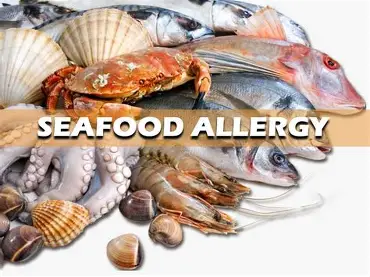
Seafood processing—particularly for crustaceans and molluscs—faces significant cross-contamination risks, often resulting in an over-reliance on vague Precautionary Allergen Labelling (PAL) such as "May Contain Shellfish".
Discussions led by allergen experts and regulatory panelists pointed toward harmonized standards and clearer consumer education. Transitioning to standardized seafood allergen protocols will protect sensitive consumers, eliminate unnecessary labelling ambiguity, and rebuild trust at the retail display counter.
Precision Nutrition: Seafood’s Role in Modern Health Trends
The convention also explored shifting consumer habits, including the rise of GLP-1 weight-loss medications and a demand for nutrient-dense, functional foods. As consumers look for smaller, protein-rich meals, seafood is uniquely positioned to lead.
Aquatic proteins are rich in essential fatty acids and key micronutrients critical for long-term wellness—particularly within the "1000 days" framework targeting maternal and early childhood development. Positioning seafood at the centre of precision nutrition ensures consumers receive maximum health benefits from sustainable, local sources.
The Bottom Line
The AIFST Convention made it clear that building a trusted food system requires combining rigorous science, transparent regulation, and genuine cross-sector collaboration. For Australian seafood consumers, turning these scientific insights into policy action will mean better transparency, stronger food safety, and equitable access to fresh, sustainable local seafood for every Australian family.
Comments
No comments yet.