

An extraordinary surge of common octopus in British waters is showing how quickly climate-driven change can reshape seafood supply, fishing livelihoods and consumer choice.
The species, Octopus vulgaris, is native to UK waters but has historically been scarce. In 2025, researchers began documenting an exceptional bloom off Devon and Cornwall. By mid-2026, evidence from surveys, underwater monitoring, commercial fishers, divers and snorkelers indicated that the phenomenon had spread as far as Wales and Scotland. (The Guardian)
The likely explanation is not one simple cause. Researchers point to a combination of warmer seas, a mild winter and a favourable breeding season. The important point is that the animals appear not merely to have arrived temporarily; they have been breeding successfully in UK waters in ways rarely recorded before. (The Times)
For some fishers, this has created a valuable new opportunity. Octopus is highly prized in Mediterranean markets, and landings at ports such as Brixham and Newlyn have risen sharply. Reports indicate that UK octopus catches in 2026 have already surpassed the previous year’s record pace. (The Times)
For other fishers, however, the bloom has been devastating. Octopuses are effective predators of crab, lobster and scallops. Shellfish crews have found octopuses in pots, reducing catches and disrupting fisheries built around species that have supported coastal communities for generations. (The Guardian)
This is the central lesson: climate change does not create only “winners” or only “losers.” It changes relationships across the ecosystem. A species that becomes commercially valuable to one sector can simultaneously undermine another. Consumers may see more octopus on menus or lower prices for a time, while traditional shellfish becomes scarcer or more expensive.
Australia should take note.
Our waters are also changing. Marine heatwaves, altered currents, habitat shifts, disease risks and changing species distribution will affect what is caught, farmed, imported and sold. A resilient seafood system must be able to respond without losing sight of sustainability, fairness or consumer trust.
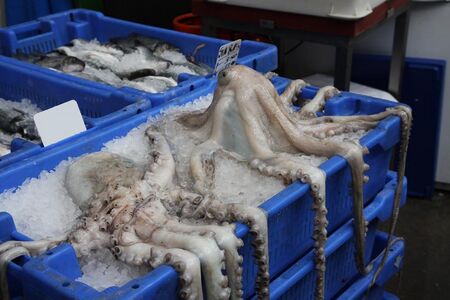
That means better monitoring, flexible fisheries management, transparent communication and a willingness to adapt markets as species change. It also means avoiding the temptation to treat a sudden abundance as an unlimited resource. In the UK, octopus remains a non-quota species, but industry voices are already discussing whether future management limits may be needed. (The Times)
For consumers, the message is practical. When unfamiliar or newly abundant seafood appears on menus, ask questions. What species is it? Where was it caught? Why is it suddenly available? Is it being managed responsibly?
The UK octopus bloom is not simply a curiosity. It is a real-world preview of the seafood future: dynamic, unpredictable and increasingly shaped by a changing climate.
The task for governments, industry, researchers and consumers is to ensure that adaptation is guided by evidence, transparency and long-term stewardship.
Comments
No comments yet.