
What the World’s Seafood Report Means for Australian Consumers
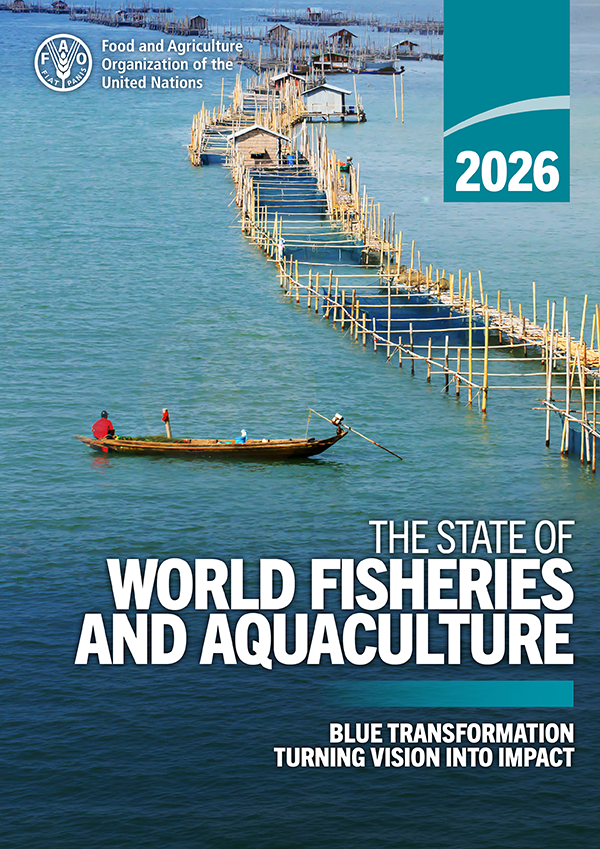
The FAO’s State of World Fisheries and Aquaculture 2026 sends a powerful message: aquatic foods are no longer a side issue in global food policy. They are central to nutrition, food security, trade, employment and sustainability.
For seafood consumers, that should be good news. Global fisheries and aquaculture production reached a record 235 million tonnes in 2024, with aquatic animal production reaching 195 million tonnes. Aquaculture is now the major driver of growth, producing 103 million tonnes of aquatic animals and supplying more than half of global aquatic animal output.
The world is clearly eating more seafood. FAO reports that average global aquatic animal food availability is now around 21 kg per person per year. Aquatic foods also provide essential protein, omega-3 fatty acids and micronutrients, and for many countries they are among the most important sources of animal protein.
But the consumer question is not simply: “Is there more seafood?”
The real question is: “Is seafood available, affordable, safe, honestly labelled and trusted?”
That is where Australia needs to pay closer attention.
Australia is a seafood nation surrounded by ocean, but Australian consumers do not enjoy anything like the seafood access many would expect. ABARES forecasts the value of Australian fisheries and aquaculture production at around $3.56 billion in 2023–24, with total production volume expected to reach about 296,000 tonnes by 2024–25. Aquaculture is increasingly important, expected to rise from around 60 percent of production value in 2023–24 to 64 percent by 2028–29.
That trend matches the FAO global picture. The world is moving further towards farmed aquatic food, and Australia is no exception. Salmonids dominate the Australian aquaculture story, accounting for a large and growing share of production value. Prawns, oysters, tuna and other aquaculture species also offer opportunities.
However, Australia’s wild-catch fisheries are relatively stable, with limited scope for major expansion. This reflects both environmental limits and management controls. FRDC’s Status of Australian Fish Stocks Reports show that Australia’s assessed fisheries are generally well managed, with the 2024 reports covering 155 species and 503 stocks. That is a positive story and should give consumers confidence in many Australian wild-caught products.
Yet there is a major gap: sustainability alone does not solve the consumer problem.
Consumers also need affordability, access, country-of-origin clarity, species integrity and protection from fraud. Australia imports a large share of the seafood it consumes. Recent ABARES-based information indicates imports remain a major part of Australian seafood supply, with imports around 215,000 tonnes in 2023–24 and a value of about $2.63 billion. Major imported products include prawns, tuna, salmonids, scallops, squid and octopus.
This means Australian seafood consumers are highly exposed to global seafood supply chains. FAO says about 36 percent of global aquatic animal production is traded internationally. Trade helps supply countries where domestic production falls short, but it also increases the need for traceability, food safety and fair-trade systems.
For SCA, this is one of the most important consumer messages from SOFIA 2026.
Australia cannot promote seafood consumption while ignoring seafood confidence.
If Australian consumers are being encouraged to eat more seafood for health, then governments and industry must ensure they can trust what they are buying. That means stronger action on mislabeling, short-weighting, excessive glazing, undeclared water addition, origin claims and substitution.
SCA has already raised concerns that Australia treats seafood short weighting too often as a “quality” dispute between commercial buyers and sellers rather than as a consumer fraud issue. If a one-kilogram bag of frozen seafood contains excessive ice glaze or added water, the end consumer ultimately pays seafood prices for water. That is not a technicality. It is economically motivated adulteration.
FAO’s Blue Transformation vision focuses on better production, better nutrition, better environment and better life. SCA supports those goals. But we add a fifth principle: better trust.
Without trust, consumers cannot reward sustainable fisheries. Without trust, they cannot support honest Australian fishers, farmers, processors and retailers. Without trust, seafood risks becoming just another confusing protein choice in a supermarket aisle.
Australia has strengths. It has good fisheries science, strong stock assessment systems, respected exporters, high-quality aquaculture and excellent seafood professionals. But it also has weaknesses: fragmented policy, limited consumer representation, double-dipping on environmental accreditation, weak visibility over imports, inconsistent foodservice labelling and insufficient attention to seafood fraud and a failure to train its front-line staff.
SOFIA 2026 should therefore be a wake-up call.
The world is moving rapidly towards more aquatic food. Australia must decide whether it wants consumers to be passive recipients of global seafood trade or active, informed partners in a trusted seafood system.
SCA believes consumers are not the poor partner in the seafood chain. Consumers are the principal partner.
The next stage of seafood policy must put consumers at the centre: nutrition, affordability, transparency, integrity and trust.
If seafood is essential to the future diet, then consumers deserve more than slogans. They deserve seafood that is verified from ocean to plate.
Comments
No comments yet.