Why South Australia’s omega-3 rollout matters for seafood consumers.
South Australia’s decision to offer free omega-3 blood testing to pregnant women from 1 June is an important public health step. The program will use routine antenatal blood collection to identify women with low omega-3 levels early in pregnancy and guide targeted supplementation aimed at reducing the risk of preterm birth.
The announcement also marks the translation of decades of Australian research into everyday care. Research led by South Australian investigators, including Professor Maria Makrides and Professor Robert Gibson, has linked low omega-3 status with increased risk of early preterm birth and helped shape a test-and-treat model now embedded in antenatal pathways in South Australia.
For Seafood Consumers Association, however, this is not only a clinical story. It is also a seafood consumer story, because omega-3 is one of the clearest points where nutrition science, maternal health, food choice and public trust intersect.
At almost the same moment, FRDC’s Two4Life campaign has been encouraging Australians to eat two serves of seafood each week, including omega-3-rich options, on the basis of evidence linking seafood intake to benefits across the life course. That broader message matters because testing and supplements are only part of the picture; better public understanding of seafood as a source of essential nutrients matters too.
Pregnancy advice often focuses on folate and iron, but omega-3 deserves more attention. FRDC’s materials note the importance of omega-3s during pregnancy, while South Australia’s antenatal program shows that low omega-3 status is now being treated as something practical, measurable and clinically relevant rather than a vague wellness concept.
What is genuinely impressive is that a state-wide public health system is now using evidence, pathology services and antenatal care pathways to identify risk early and respond in a structured way. South Australia’s initiative is the first jurisdiction to embed omega-3 testing into routine antenatal care at scale.
For seafood consumers, the policy implications are wider. If omega-3 status is important enough to test during pregnancy, then consumers also need confidence that seafood sold in Australia is authentic, correctly labelled and supported by clear nutrition guidance. Advice about safe seafood choices in pregnancy should be practical and trustworthy, not confusing or contradictory.
This is where consumer advocacy has an essential role. Women and families should be able to act on health advice with confidence, knowing which seafood options are rich in omega-3, which are appropriate in pregnancy, and whether the product they are buying is honestly described.
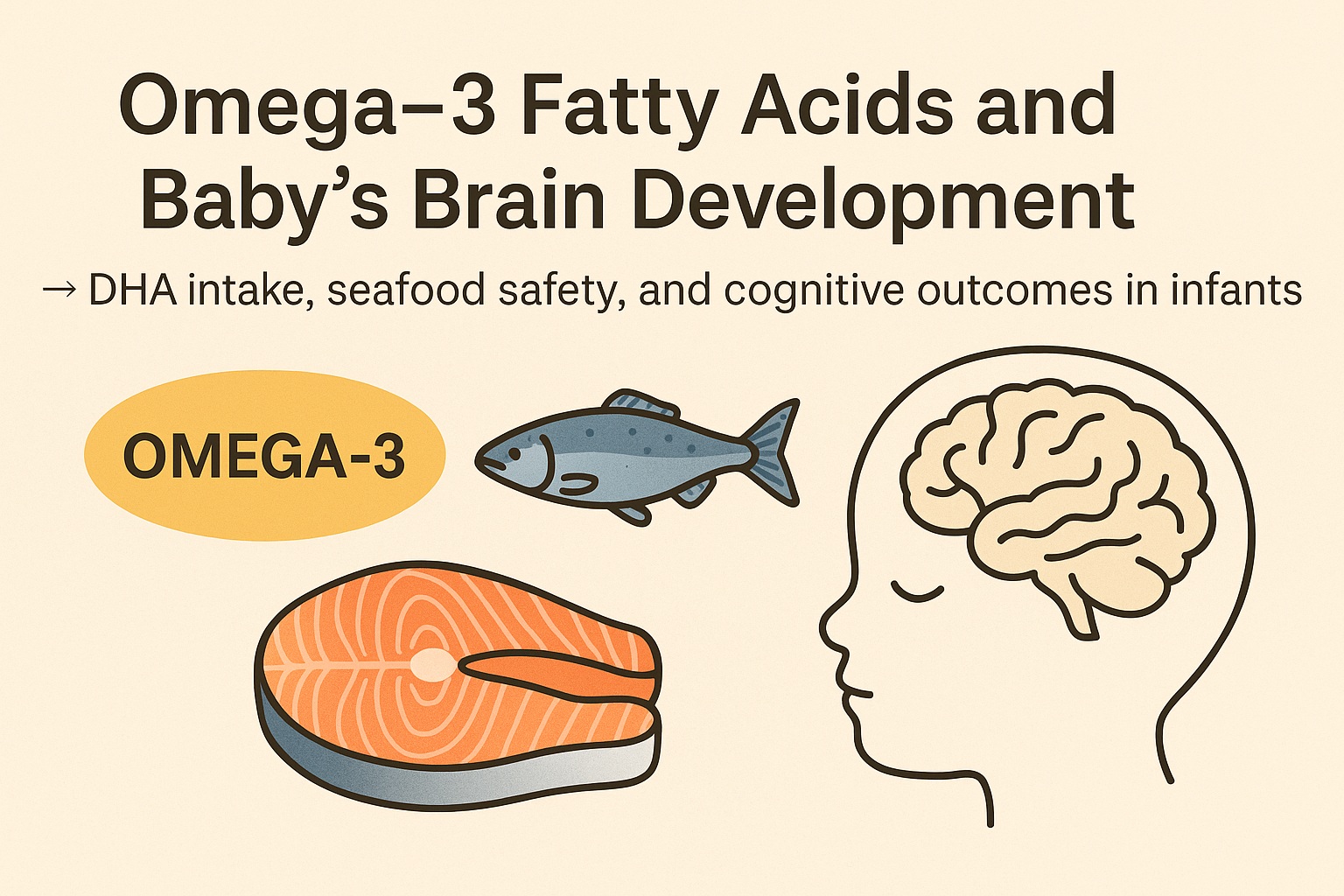
SCA CEO, Roy Palmer said “South Australia’s omega-3 testing program shows that this is no longer a niche nutrition issue. If omega-3 status is important enough to test in pregnancy, then seafood advice, seafood labelling and seafood integrity are important enough to get right for every Australian family.”
The South Australian rollout is a model of research translated into practice. FRDC’s Two4Life campaign points to the next step: making sure Australians understand how seafood fits into healthy diets and why access to accurate information, proper labelling and genuine product integrity is part of the public health equation too.

Comments
No comments yet.