
For generations, the school prawn has been the heartbeat of the Clarence River. But today, a microscopic invader, White Spot Disease (WSSV), has rewritten the rules of the river. With the virus now considered established in the wild and a five-year biosecurity lockdown in place until 2030, we have reached a point of no return.
We cannot simply "wait out" this disease; we must evolve.
To save our industry and protect our food security, we need a tri-sector revolution involving Government, Industry, and the Consumers who ultimately hold the power of the purse.
The Government’s Role: From "Policeman" to "Partner
While Australia is a global "dwarf" in prawn production, producing in a year what India produces in three days, our biosecurity standards are among the tallest in the world. However, these standards currently act as a "biosecurity tax" borne solely by our fishers and farmers.
What Governments must do is fund "Sovereign Bait" security which is the greatest risk to our oceans - the use of cheap, imported "green" prawns as bait.
The Government should subsidize the production of Australian-made, sterilized, or gamma-irradiated bait, making the "safe" choice the most affordable choice at every tackle shop.
Infrastructure for resilience. In Asian nations like Vietnam and Thailand, governments fund large-scale "seafood hubs" with shared water-treatment infrastructure. Australia needs a similar investment in "Blue Economy" precincts where farmers don't have to carry the multi-million-dollar cost of EPA-mandated water systems alone.
A "Cleanest in World" Certification: If our biosecurity is a burden, it must also be our greatest marketing asset. The Federal Government should formalize a globally recognized certification that validates the extreme testing and purity of Australian seafood, justifying the higher price point in both domestic and export markets.
The Industry’s Role: The Valuation over Volume Strategy
The Australian prawn industry will never win a race to the bottom on price. An $18 bag of imported white prawns cannot be beaten by an Australian producer paying fair wages and strict environmental levies. What Industry must do is treat ‘transparency as a product’. Industry must lean into the 2026 "CoOL Regulations" (Australian-Imported-Mixed) labeling laws. We need QR-code traceability that tells the story of the Clarence River (or the Spencer Gulf and other specific areas), turning a "commodity" into a premium experience.
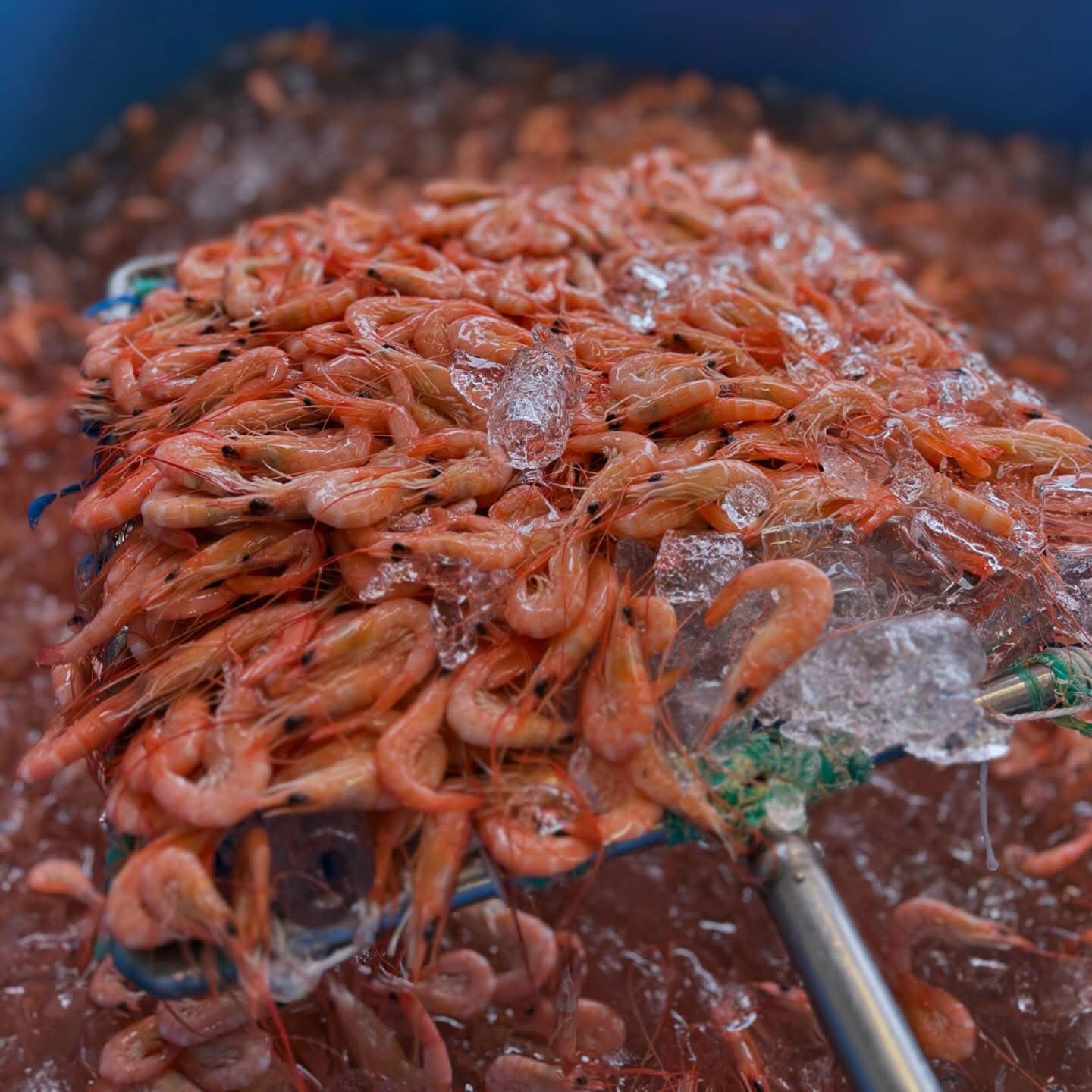
Genetic Innovation: We must fast-track the commercialization of WSSV-resistant prawn strains. While CSIRO has done the groundwork, the industry needs a unified "Blue Lab" to turn that research into pond-ready stock that can survive in an endemic environment. Waste to Wealth: In the Clarence, where "green" prawns can't leave the zone, we should see an explosion in value-added processing. Mobile cooking units and local processing plants that turn "restricted" raw prawns into "exportable" cooked delicacies are the only way to keep the local economy alive.
The Consumer’s Role: The Power of the "Blue Dollar"
As a seafood consumer, your choice at the fishmonger/supermarket/restaurant is a vote. When you choose the import, you aren't just saving $10+, you are effectively subsidizing a system that doesn't face the same environmental or biosecurity costs as our own. Now in the cost-of-living hardship we are in that may be a difficult ask.
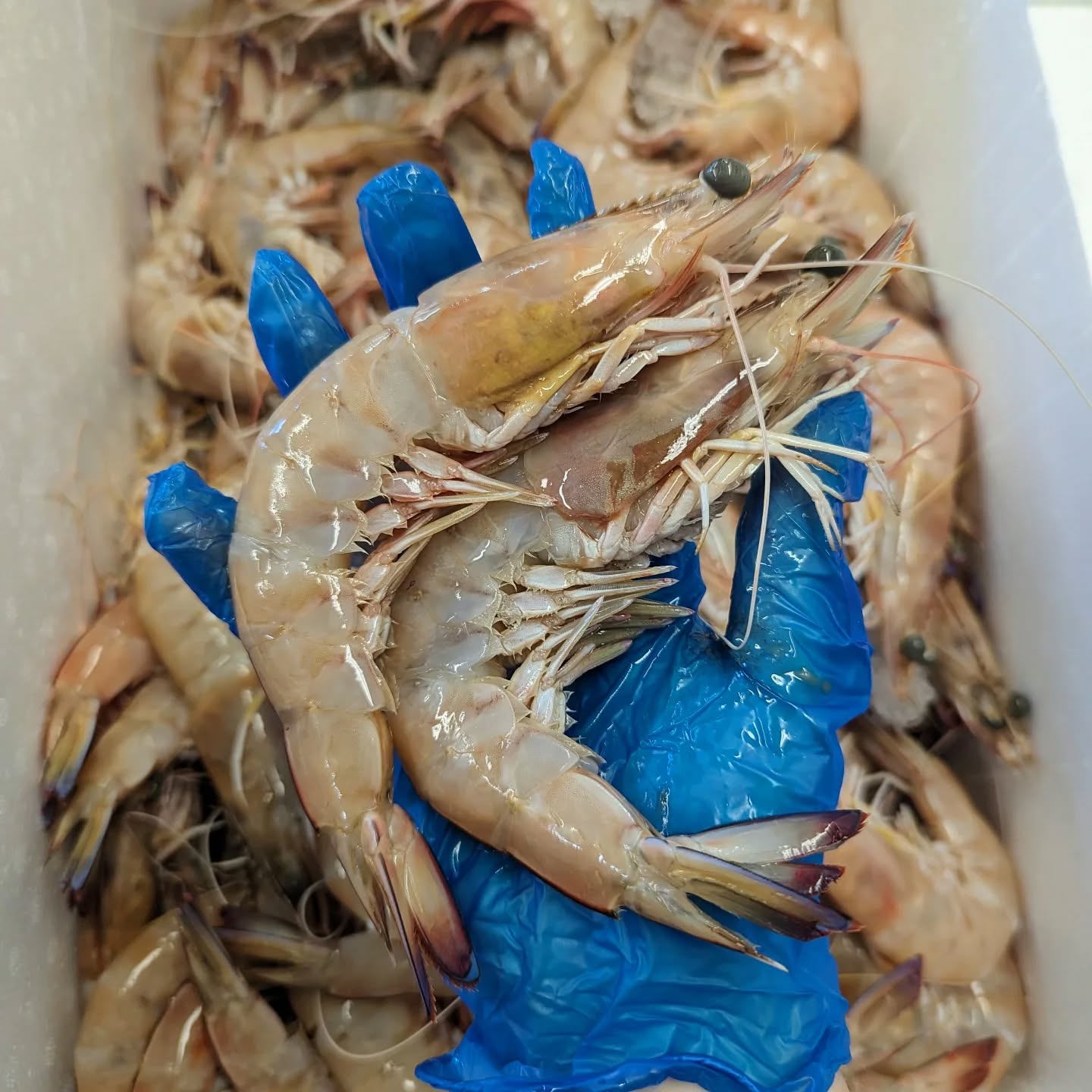
What Recreational Fishers must do is apply the ‘The "No-Go" on Green Bait’ - Never, under any circumstances, use retail-bought raw prawns as bait. One infected prawn thrown off a pier can end a multi-generational fishing family’s livelihood.
Demand Origin in Food Service: We have origin labeling in supermarkets, but the missing link in the chain remains in restaurants/institutions and fish-and-chip shops.
Ask your waiter "Are these prawns Australian?" If they aren't, tell them you'd be happy to pay the extra for a local product.
Embrace the "Cooked" revolution because cooked prawns are biosecurity-safe, they are the key to supporting the Northern Rivers. Buying a bucket of fresh-cooked Clarence school prawns is the most direct way to keep those communities afloat during the current movement bans.
The Bottom Line
White Spot in the wild is a permanent resident, but it doesn't have to be a death sentence. If the Government provides the shield, Industry provides the transparency, and Consumers provide the loyalty, we can turn this biosecurity crisis into a "Blue Gold" standard.
The Clarence River is still open for business; it’s just the business that has changed. It’s time we all caught up.
Please see the Landline program on ABC TV https://www.abc.net.au/news/rural/programs/landline/2026-05-03/prawns-in-peril-proposed-bans-threaten-local-industries/106632036
Comments
No comments yet.