

The 19-Metre Octopus That Ruled the Cretaceous
SCA noted that the new series of MasterChef Australia opened this week with an Octopus dish on both nights where 40 participants vied for their MasterChef aprons and the right to play on.
For generations, we’ve been told that the ancient oceans were the exclusive domain of giant reptiles like the Mosasaur. But a groundbreaking new study published in Science has just flipped that narrative on its head. It turns out that while marine reptiles were prowling the waves, they were sharing the top of the food chain with something much more familiar to the modern seafood lover: the octopus.
Only these weren’t the hand-sized creatures you see at a local fish market. These were "Kraken-like" giants reaching lengths of up to 19 metres—the size of a whale.
The Secret of the Fossil Jaws
Because octopuses are soft-bodied, they rarely leave behind skeletons for palaeontologists to find. However, they do have one hard part that stands the test of time: the jaw (or beak).
A team of researchers led by Shin Ikegami of Hokkaido University analysed fossilized jaws from two newly identified species, Nanaimoteuthis jeletzkyi and N. haggarti. By examining the wear patterns on these 100-million-year-old beaks, they discovered something startling: these animals weren't just eating small fish; they were crushing the hard skeletons and shells of large prey.
Measuring these jaws allowed the team to estimate a body size of 7 to 19 metres, making them potentially the largest invertebrates ever described.
Intelligence: A Trait Millions of Years in the Making
Perhaps the most fascinating find isn't just the size of these ancient giants, but their brains. The wear patterns on the fossilized jaws showed signs of "lateralized behavior"—meaning these octopuses preferred using one side of their jaw over the other.
In biology, this kind of "handedness" is a hallmark of high-level cognition and advanced intelligence. It suggests that even 70 million years ago, octopuses had already evolved the sophisticated problem-solving skills that make them so unique today.
Why This Matters for Seafood Consumers
At the Seafood Consumers Association (SCA), we often talk about the "Social License" of the fishing industry and the importance of sustainability. Understanding the deep history of species like the octopus helps us appreciate their ecological significance.
- Evolutionary Resilience: These creatures traded their protective shells for speed, intelligence, and soft bodies, allowing them to rival giant marine reptiles.
- The "Apex" Connection: Just as the ancient Nanaimoteuthis was an apex predator, modern octopuses remain vital to the health of our reef systems.
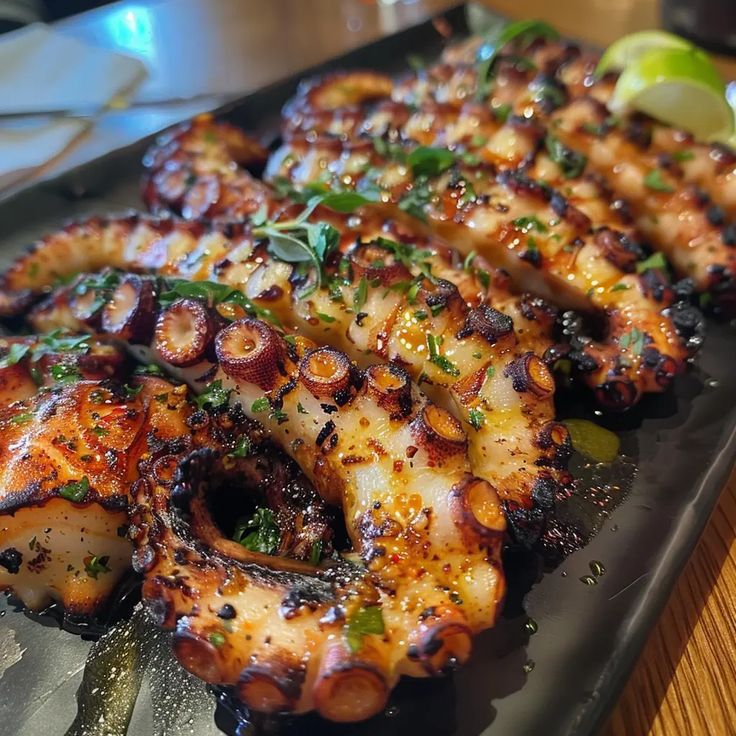
- Consumer Awareness: When we see "Octopus" on a menu today, we are engaging with a lineage of "intelligent predators" that has survived global extinctions and massive ecological shifts.
Final Thoughts
The discovery of the 19-metre Cretaceous Kraken reminds us that the ocean is a place of wonder and deep history. Whether it’s a whale-sized behemoth from the past or the sustainably caught octopus on your plate tonight, these animals represent the pinnacle of marine evolution.
In the last few weeks NASA has taken us on a journey around the Moon and back and yet here, on planet Earth (or should it really be called Ocean?) there are still a vast number of discoveries to make!
As we move toward a more transparent seafood industry with the I-CADMUS framework and mandatory labeling, let's remember that we aren't just protecting a commodity—we are protecting a legacy that has ruled the waves for over 100 million years.
SCA Fact Check:
- Species:Nanaimoteuthis haggarti (The larger of the two new species).
- Size: Estimated 7m to 19m.
- Era: Late Cretaceous (Approx. 100 to 72 million years ago).
- Primary Tool for Study: Fossilized jaws/beaks.
For more information on how to identify sustainable seafood and protect your rights as a consumer, visit us at www.seafoodconsumers.global.
Comments
No comments yet.