
Why Australia’s Food Labelling Fails the Next Generation
The George Institute for Global Health recently published a stark, undeniable assessment of Australia’s Health Star Rating (HSR) system.
Their headline finding is one that safety advocates have been warning about for years: voluntary regulatory targets simply do not work. Amen to that - seafood consumers know that from FSANZ inability to make the Australian Fish Names Standard AS5300 mandatory ensures that every day they are being deceived and defrauded.
A five-year review of the HSR system established a clear goal: 70% of eligible products were supposed to display the rating by November 2025. Yet, the food industry is falling woefully short of this voluntary benchmark.
Manufacturers routinely choose to display the stars only when a product scores well, effectively hiding poor nutritional profiles and turning what was supposed to be a public health tool into a selective marketing gimmick.
The George Institute’s recommendation is clear—the system must become mandatory.
For the Seafood Consumers Association (SCA), this report is a massive validation of our core advocacy. However, it also highlights a deeply concerning blind spot in how we govern food, nutrition, and consumer education in this country.
We are not just failing to label packaged foods correctly; we are actively conditioning the next generation to prioritize heavily manufactured products over fresh, natural, healthy foods.
The Manufactured Food Trap
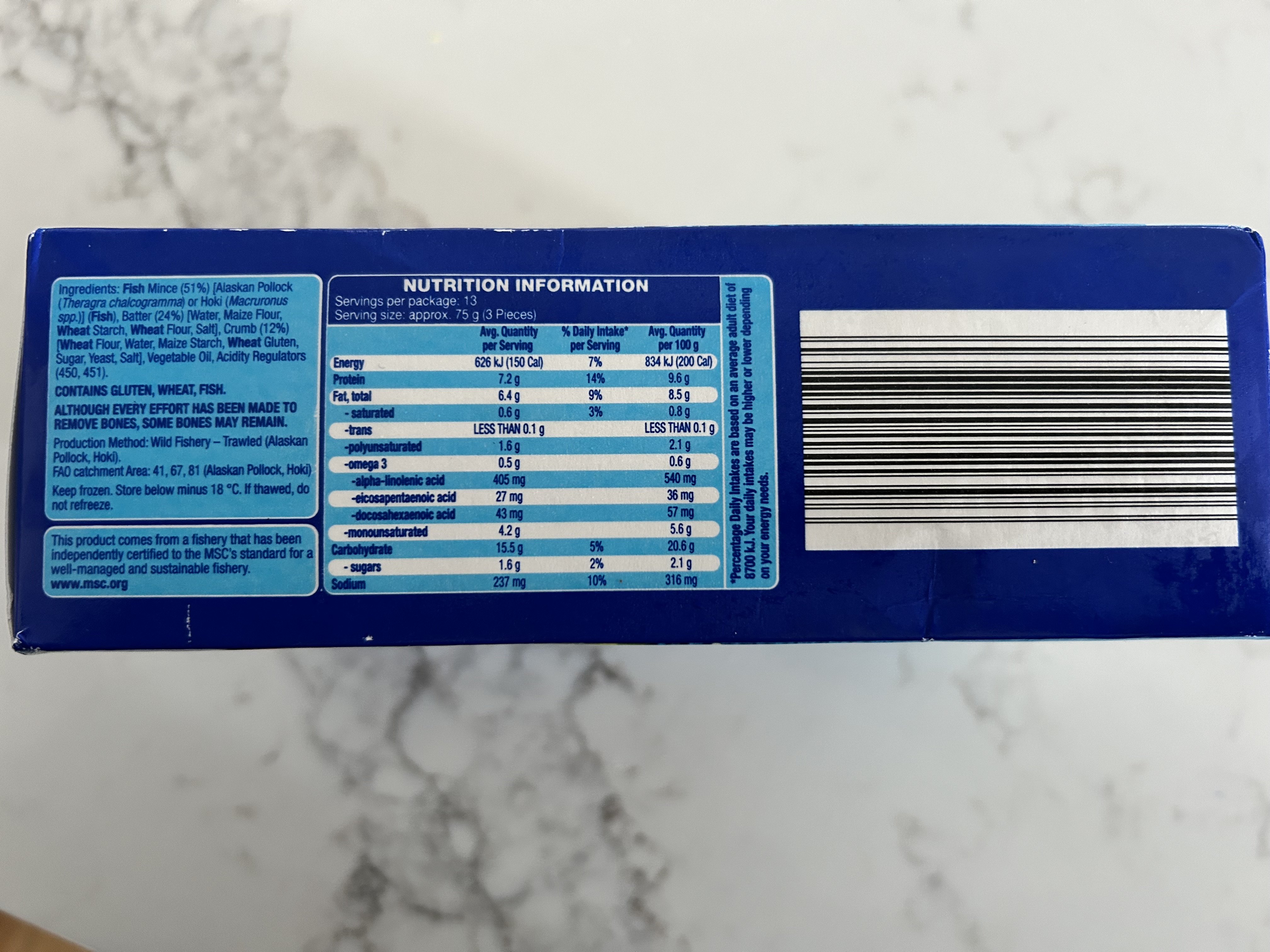
The Health Star Rating system is fundamentally designed around packaged, processed foods. By slapping a 4 or 4.5-star rating on a box of highly processed cereal, a reformulated snack bar, or heavily breaded frozen fish portions, the system sends a dangerous psychological signal.
We are teaching our children to associate the concept of "health" with colourful cardboard boxes and algorithmic star ratings, rather than focusing on the intrinsic value of fresh, single-ingredient whole foods.
This conditioning sets our children up to be lifelong buyers of manufactured, ultra-processed products. The food industry is brilliant at engineering heavily refined products just enough to clear the threshold for a good star rating, utilizing fillers, water, and synthetic additives.
Meanwhile, the healthiest items in the supermarket—like fresh, domestically caught Australian seafood—sit in the display cabinet without a bright, colourful star rating to champion their nutritional superiority.
The True Cost to the Next Generation
This shift away from fresh food carries a devastating biological cost. The human brain undergoes its most explosive period of growth during the "1000-day window"—the critical period from conception to a child’s second birthday. During this time, the brain requires massive, uninterrupted supplies of essential fatty acids and micronutrients.
As globally renowned experts like Professor Michael Crawford and Dr. Shakuntala Thilsted (World Food Prize awardee) have repeatedly demonstrated, the foundational building block for cognitive and visual development is DHA (Docosahexaenoic acid).
These vital aquatic nutrients do not come from a factory assembly line, and they certainly cannot be fully replicated in a heavily processed, star-chasing snack. They are found in the ocean.
Yet, current government health messaging and labelling frameworks consistently fail to prioritize maternal and infant access to high-quality, fresh seafood, instead allowing consumers to be distracted by the marketing of processed alternatives.
The Double Standard in Seafood Labelling
When we look at how seafood specifically is treated under Australia’s current labelling landscape, the hypocrisy is glaring. A consumer might look at a frozen, highly processed box of generic "fish patties" that proudly displays a Health Star Rating. But what is actually inside that box?
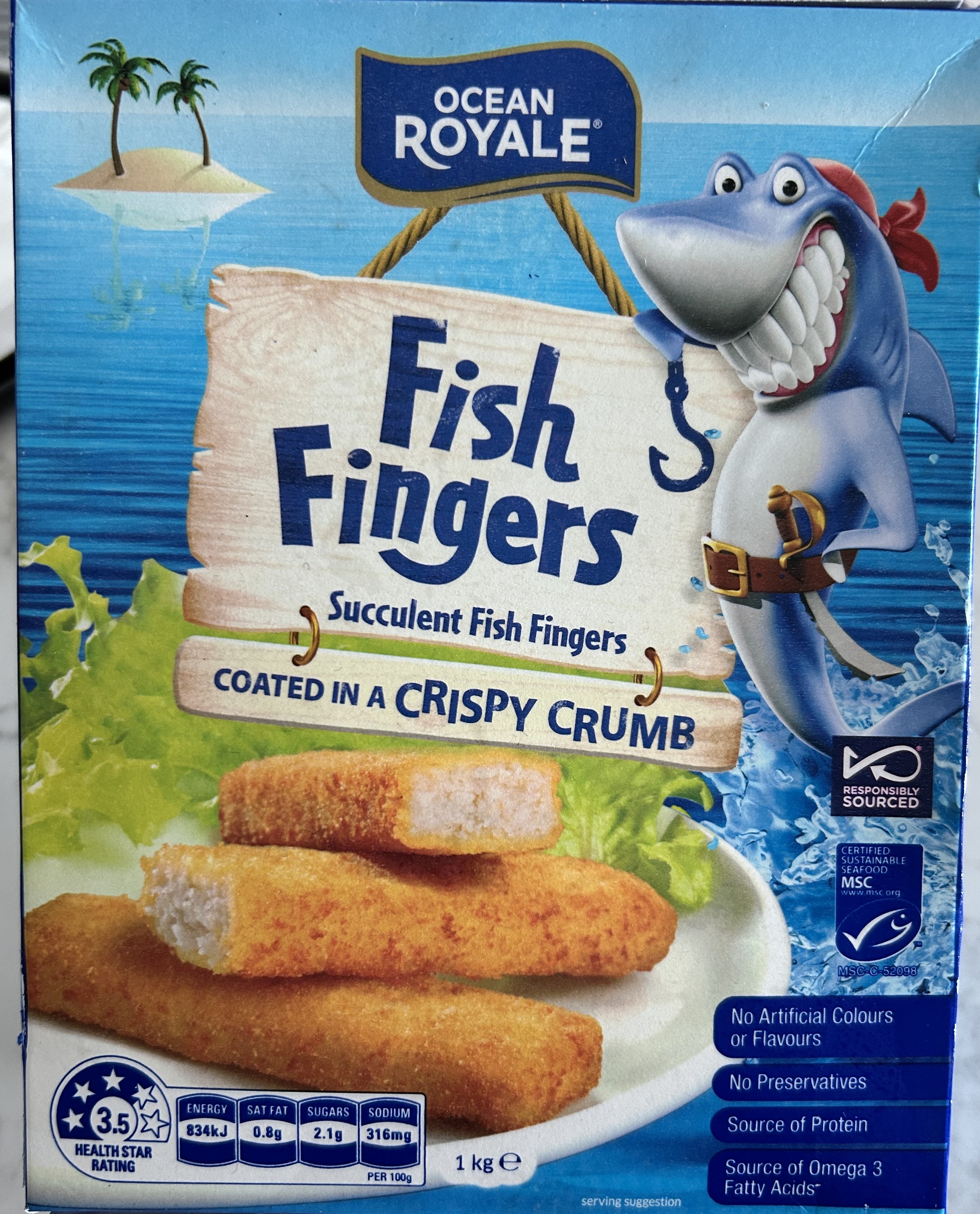
Due to Australia's glaring regulatory failures, we do not even have a mandatory naming standard for seafood. The Australian Fish Names Standard (AS5300) remains entirely voluntary.
Just like the voluntary Health Star Rating, voluntary naming standards are a spectacular failure.
They leave consumers completely vulnerable to the deceptive practices outlined in the SCA’s soon to be released I-CADMUS framework.
Every single day, value and trust are stripped from the supply chain through Illegal activities (including the outright theft of marine resources), Counterfeit products, Addition/Adulteration (pumping fillets with water and polyphosphates), and outright Substitution.
We have a system where a manufacturer can legally sell you a box of heavily adulterated, imported white fish under a vague, misleading name, and still qualify for a government-endorsed health star.
If a consumer cannot legally guarantee the exact species of fish they are feeding their family, how can they assess its nutritional value?
The Path Forward
The George Institute is absolutely correct: voluntary targets are a failure. But fixing the algorithm on a cardboard box is only half the battle.
If we want to improve public health and secure the future of our children, we must demand a fundamental pivot back to whole, unadulterated foods.
The SCA stands firmly on the position that truth in labelling must be absolute. We must demand the mandatory implementation of the Australian Fish Names Standard (AS5300) across both retail and foodservice. Consumers must be empowered to confidently buy a fresh, domestically harvested fish—knowing exactly what species it is, exactly where it came from, and trusting the vital, natural nutrition it provides.
It is time to stop training our children to read the stars on a manufactured box, and start teaching them to value the unmatched nutrition of fresh, whole, local food.
Comments
No comments yet.