
The Iceland Ocean Cluster is a strong example of how seafood can move from a linear “take-make-waste” system to a circular economy that creates more value from every catch. For the Australian seafood sector, the lesson is not just about waste reduction; it is about building a more trusted, resilient, and consumer-focused industry that uses the whole fish and tells a better story from boat to plate.
The Iceland model
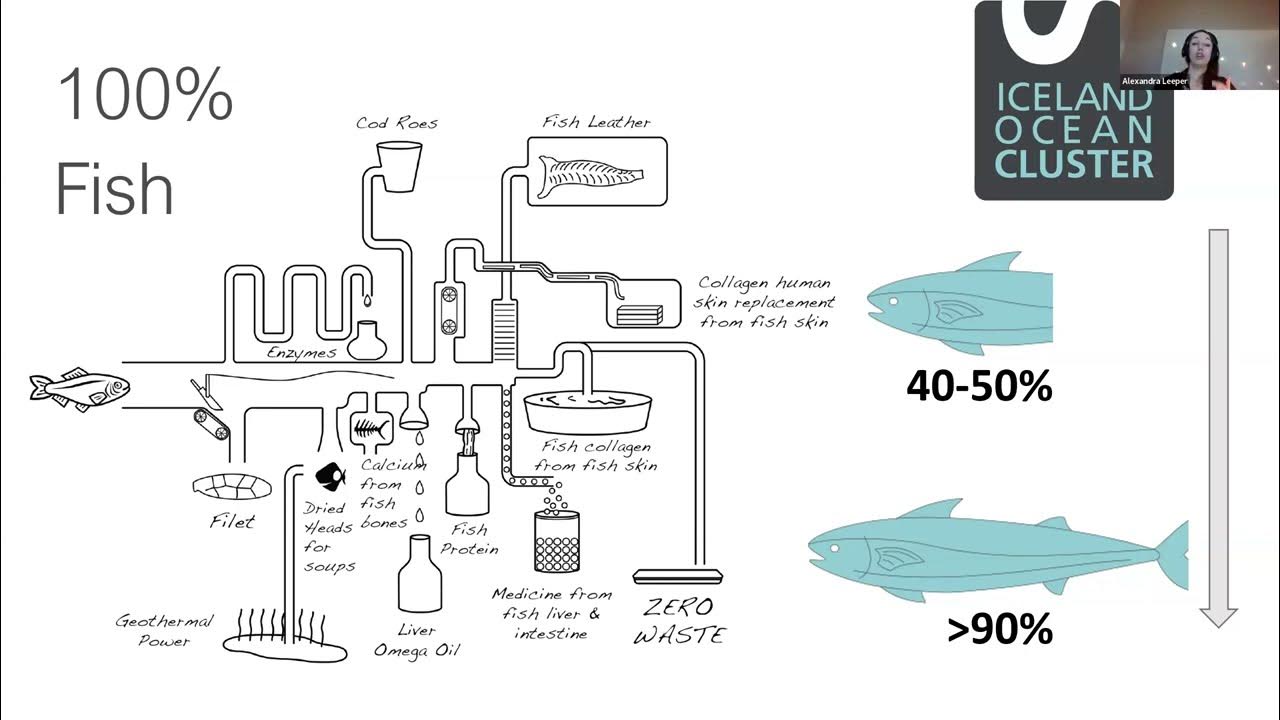
At its core, the Iceland Ocean Cluster brings companies, entrepreneurs, researchers, and designers together to find new uses for every part of seafood, especially fish that would otherwise be underused or discarded. Its “100% Fish” mission has become a global reference point for circularity because it shows how skins, bones, frames, heads, oils, and other by-products can be converted into higher-value food, health, and industrial products. The result is not just less waste, but more jobs, more innovation, and more income from the same biological resource.
A key feature of the Iceland model is collaboration across sectors rather than competition within silos. The cluster works because it places fishers, processors, biotech firms, and product designers in the same ecosystem, making it easier to turn a waste problem into a business opportunity. That is why the model has travelled internationally: it offers a practical blueprint for shared innovation, not a fixed recipe.
Why it matters here
Australia already has many of the ingredients needed for a seafood circular economy, including strong research capability, innovative producers, and growing consumer interest in sustainable food. FRDC-supported work has found that circular economy principles are already present in parts of the sector, but there is still significant opportunity to expand them through cross-sector collaboration, better material use, and new value chains for organic waste and packaging. Research on Australian seafood systems also points to the value of reducing waste and using more underutilised species and by-products across the supply chain.
For Australia, the challenge is often scale and geography. Many seafood businesses are small and widely dispersed, which makes collection, aggregation, and recycling harder than in a dense industrial hub. That is exactly where the Iceland lesson is useful: clusters can create the “missing middle” by linking small firms into a shared innovation network that makes circularity commercially viable.
Consumer value
From a consumer perspective, circular seafood is not an abstract sustainability idea; it is about smarter use, lower waste, and better confidence in the food system. Australian consumers have repeatedly shown that sustainability matters to them, and many say they prefer seafood that is independently verified and responsibly sourced. A circular seafood story can strengthen that trust by showing that the industry is doing more than making claims — it is actively reducing waste and improving accountability.
For SCA, this is especially important because consumers want seafood that feels both ethical and practical. A “use the whole fish” approach can connect sustainability with everyday value: better freshness, better product diversity, and less guilt about waste. It also helps consumers understand that responsible seafood is not just about what is caught, but about how the entire catch is used.
Australian opportunity
Australia could adapt the Iceland model through regional seafood clusters linked to universities, processors, retailers, waste operators, and food innovators. These clusters could develop products from fish frames, trimmings, skins, and shells, while also tackling plastics, energy use, and cold-chain waste. FRDC and related research have already identified examples such as prawn-shell products, composting solutions, reusable packaging, and aquaponics systems that show circularity is not theoretical — it is already emerging. Think of the possibilities with European Carp and turning a pest into valuable products - better this path than unknown outcomes from putting a VIRUS in our rivers!
The broader opportunity is to treat circularity as both a sustainability strategy and a growth strategy. By keeping materials in use for longer, creating value from by-products, and linking seafood with biotechnology, nutrition, and other sectors, Australia can build more resilient coastal economies. That is where the Iceland cluster idea becomes especially powerful: it is not just about fish, but about building a collaborative innovation culture around the ocean and our waters.
A consumer story
For consumers, the story is simple: the more of the fish we use, the less we waste, and the more value stays in Australian communities. That means better environmental outcomes, stronger local jobs, and a seafood sector that looks modern, responsible, and future-ready. In a market where trust matters, circularity can become a visible sign that the industry is taking sustainability seriously.
The Iceland Ocean Cluster shows that seafood can be more than a product; it can be a platform for innovation, collaboration, and public value. For Australia, the opportunity is to build our own version with a clear consumer voice at the centre.
Comments
No comments yet.