

Across Australia, there is a quiet but important debate happening about seafood. It is not just about taste, sustainability, or supply. It is about what aquaculture is, and whether our policy settings still fit the way food is now being produced.
At the Seafood Consumers Association, we believe this is not only an industry or government issue. It is a consumer issue. When aquaculture is treated as though it is simply a subset of wild fisheries, the result is confusion, duplication, and missed opportunities to grow a reliable domestic food supply.
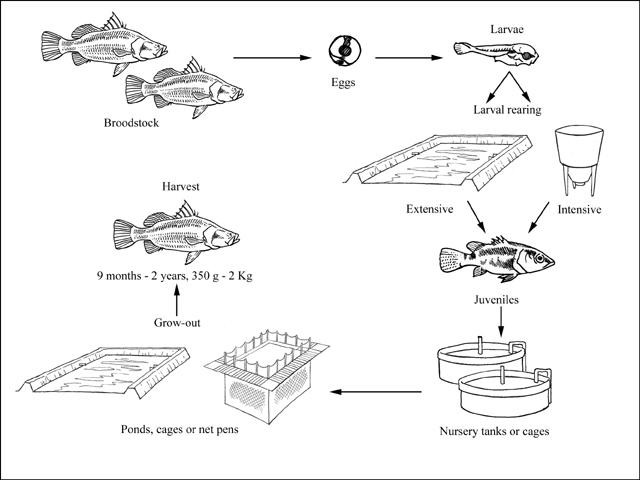
Aquaculture is not fishing. Fishing harvests wild resources, it is a hunter gatherer activity, while aquaculture is the controlled farming and nurturing of aquatic organisms for food. That distinction matters because food production systems need policy frameworks that support growth, investment, traceability, and consumer confidence.
Australia already has a strong reason to get this right. DAFF has identified aquaculture as a major and growing part of domestic seafood production, and the sector is worth billions of dollars to the national economy. Yet Australia still relies heavily on imported seafood, which leaves consumers exposed to supply volatility, price pressures, and uncertainty about origin and consistency.
That matters because seafood is a vital part of a healthy diet. It provides high-quality protein and important nutrients that support wellbeing throughout the course of life. But many Australians feel let down by the fact that our seafood is often harder to find, more expensive than it should be, or less clearly labelled than consumers deserve.
The problem is structural. Aquaculture is regulated across multiple layers of government, often within fisheries systems that were designed for wild harvest management rather than food farming. Victorian government has recently decreed that aquaculture, and commercial fisheries will be locked into Outdoor Recreation Victoria – can you imagine how that will work? What we see already is slower approvals, inconsistent rules, investment uncertainty, and duplication across jurisdictions. In plain terms, the system is too fragmented for a sector that should be helping to feed the nation.
A better approach would be to recognise aquaculture as a distinct national food-production sector. One way of doing that would be to develop an “aquatic livestock” category for commercially farmed privately owned species raised for food. That would not weaken environmental, biosecurity, animal health, or food safety safeguards. It would simply place aquaculture in a policy framework that better matches what it is: food farming.
This shift would also help consumers. If domestic aquaculture were supported through clearer national settings, Australia could improve local supply, reduce some of the pressures that come from import dependence, and strengthen traceability and origin information at the point of purchase. Over time, that would help build trust, improve resilience, and make Australian seafood more accessible to Australian households.
There is also a strong case for Australia to retain sovereign control over its own aquaculture standards and certification pathways. Rather than relying heavily on external private systems that can add cost between producers and consumers, Australia could develop its own nationally recognised standard. The FRDC and Standards Australia already provide a basis for this kind of work.
International examples show that this is possible. Saudi Arabia, for instance, has used aquaculture policy as both a production strategy and a trade strategy, combining standards, certification, approval systems, and market access rules. The lesson is not that Australia should copy another country, but that aquaculture can be treated as a serious food-production sector with clear national settings.
This also aligns with Australia’s broader national priorities. A coherent aquaculture framework would support food security, cost-of-living resilience, regional employment, blue economy development, and better consumer access to traceable Australian seafood. In a period of fuel pressure, logistics strain, and supply-chain disruption, those benefits are not theoretical. They are practical and increasingly necessary.
For consumers, the question is simple. Do we want a seafood system that is clearer, more local, more transparent, and more resilient? If the answer is yes, then aquaculture must be treated as a core food-production sector, not a regulatory afterthought.
Australia has the capability to produce more of the seafood it consumes. What is needed now is a framework that supports that capacity, gives consumers better outcomes, and ensures that future food policy reflects how seafood is grown. That is the opportunity in front of us, and it is one worth taking.
Comments
No comments yet.