Australia is currently watching a high-profile consumer protection case unfold in federal court — one that has been described by some as “the case of the century” in terms of its implications for everyday shoppers and market behaviour.
The Australian Competition and Consumer Commission (ACCC) alleges that major supermarket chain Coles engaged in a planned campaign of misleading price discounts under its long-held “Down Down” promotions. The ACCC says prices were temporarily raised before being “discounted” to a price that was equal to or above the regular level, thereby misleading consumers about the true savings on hundreds of products.
While the case currently centres on supermarkets, it raises broader issues about consumer trust, transparency and accountability — topics that are deeply relevant to how seafood is marketed, labelled and regulated.
Consumer Protection Beyond Supermarket Floors
The ACCC’s legal challenge reflects a broader mission: ensuring consumers are not misled about the products they buy, including price, health claims, sustainability and origin. Misleading conduct — whether in pricing discounts or product labelling — erodes public confidence in markets. And for seafood, a category with well-documented vulnerabilities in global supply chains, the stakes are especially high.
The recent Food and Agriculture Organization of the United Nations (FAO) report on Food Fraud in the Fisheries and Aquaculture Sector highlights that as much as 20 per cent of seafood products globally may be subject to some type of fraud, including mislabeling, species substitution, origin misrepresentation and adulteration.
This isn’t a peripheral concern. Mislabeled seafood can put consumers at risk of:
• Allergic reactions or exposure to harmful toxins
• Purchasing inferior or substituted products uninformed
• Misleading claims about sustainability or origin
• Paying a premium for what they believe is a higher-value product
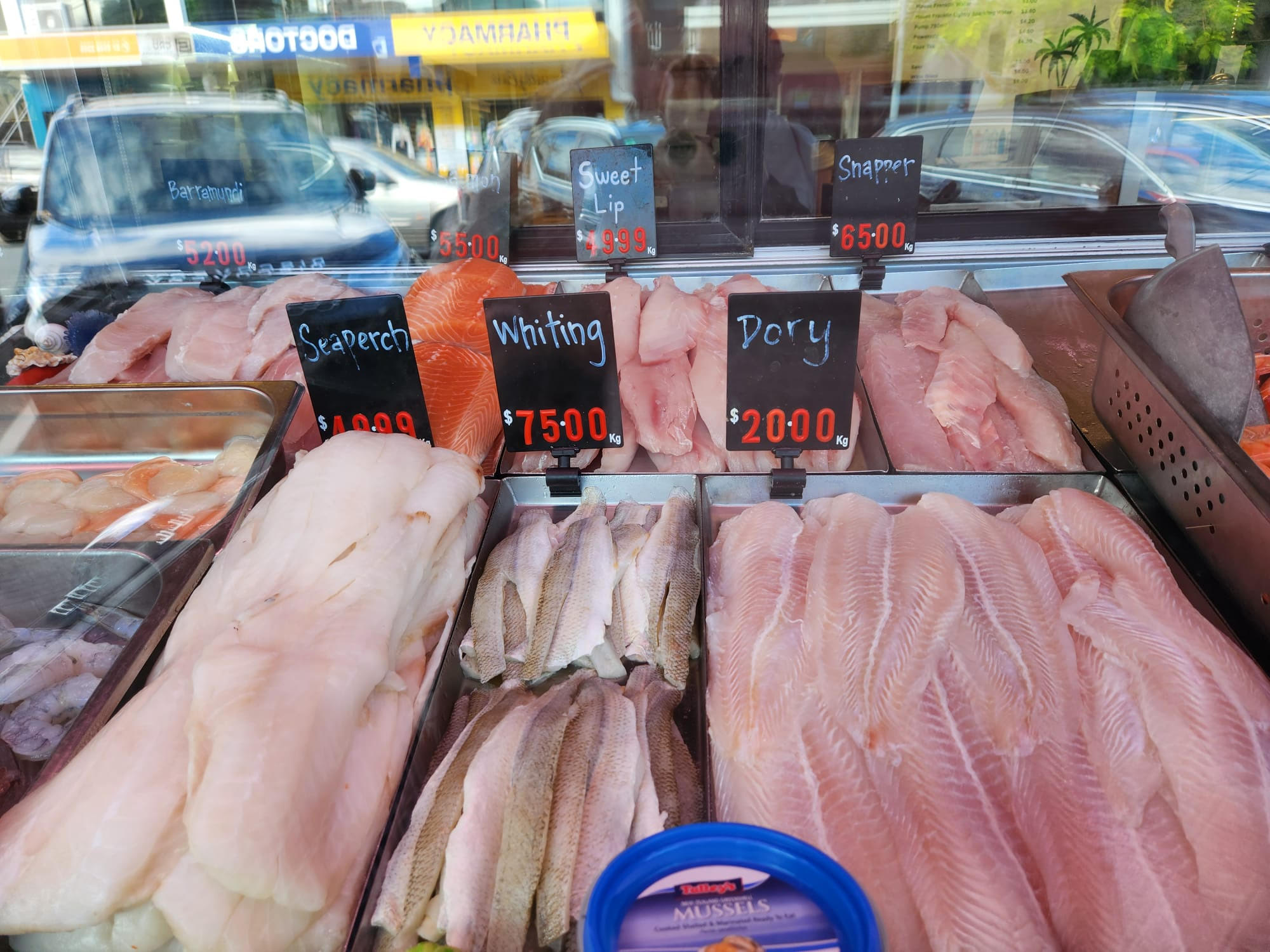
From a retailer/hospitality industry perspective there are sever consequences. What happens if your supplier has not been completely honest with you? There is a food safety issue and there is a food recall, and you have the product name wrong – what will be in the investigation? If you are not sure of what you are buying you need safeguards!
Where Pricing Transparency and Food Fraud Converge
At first glance, supermarket discount pricing and seafood fraud may seem like separate issues. But both reflect a shared underlying problem: when consumers cannot confidently verify what they are paying for or what they are eating, market integrity suffers.
In the ACCC versus Coles case, the watchdog is arguing that the retailer’s conduct misled reasonable consumers about genuine price savings. The supermarket contends its pricing reflected cost pressures from suppliers and inflation — a common industry defence.
But what matters for consumers is not industry intent — it’s clarity. When pricing promotions are confusing or opaque, consumers cannot make informed choices. The same principle applies to seafood labeling:
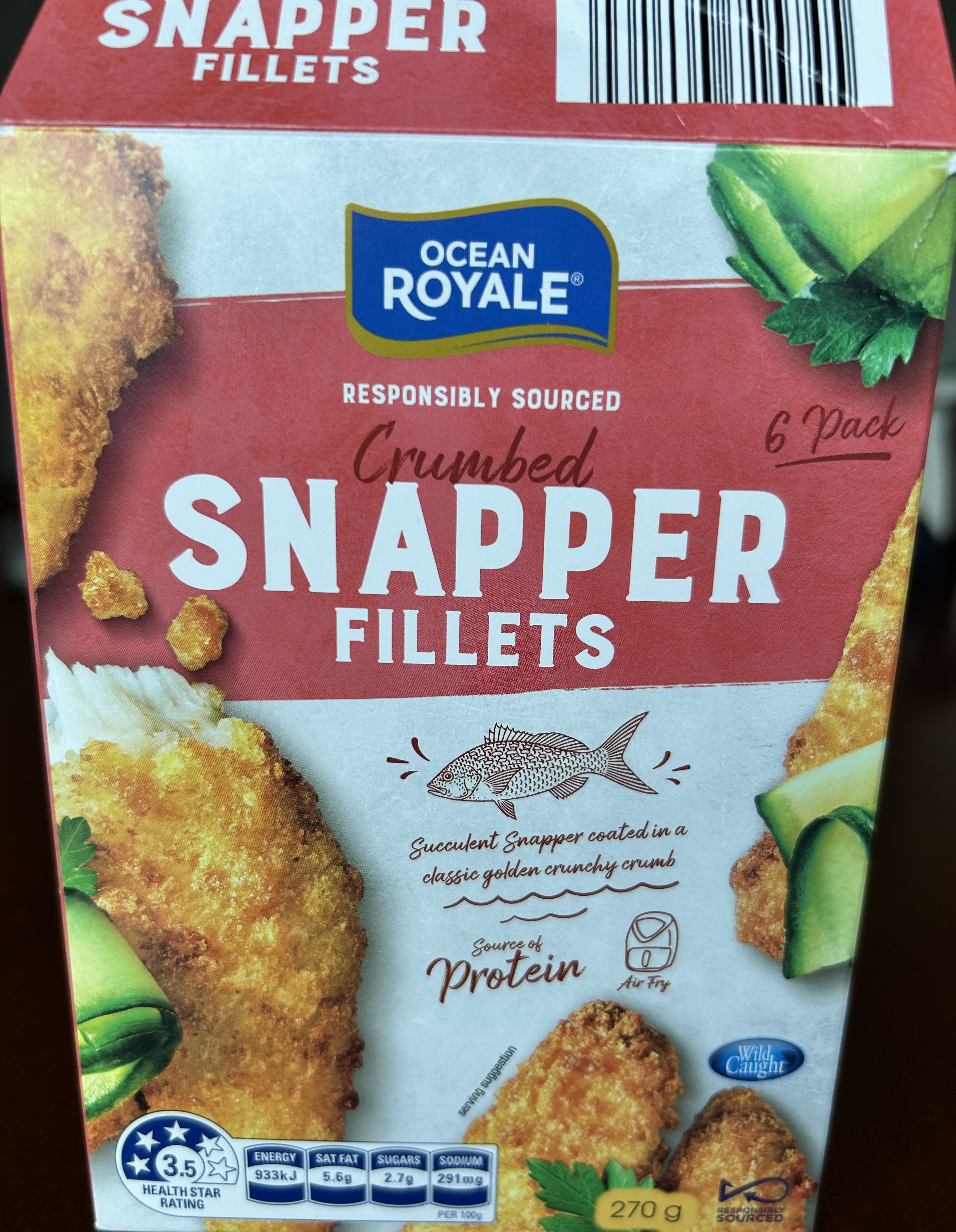
• If a packet of “snapper fillets” is actually another species, or counter meal is described as ‘Flathead’ but is actually another species then the consumer is misled.
• If a claim about “responsibly sourced” or “wild-caught” is unverified, the consumer cannot validate the product’s origin or sustainability.
• If discounts and promotional claims are structured to obscure true prices, consumers pay more than they think.
Both types of misrepresentation undermine consumer trust.
In the FAO’s analysis, improving harmonized labelling requirements and advanced traceability systems is essential to protect consumers and enhance market transparency. Tools such as DNA barcoding, spectroscopy and isotope analysis now exist — and they must be part of a governance strategy that prioritises truth in labeling and origin claims.
What This Means for Seafood Consumers in Australia
Seafood is a cultural staple, but it is also a complex global commodity. Australians increasingly buy seafood from a wide range of sources, from local supermarkets and fishmongers to imported frozen products on line and restaurant meals. Consumers deserve to know:
• Exactly what species they are eating
• Where it came from
• Whether sustainability or health claims are verified
• That pricing is fair and transparent
At present, regulatory and industry frameworks are fragmented. Misleading pricing issues in supermarkets highlight how difficult it can be for consumers to trust everyday market signals. When this extends to seafood — where mislabelling and fraud have been documented globally — the risk increases that vulnerable consumers are left unaware or worse, harmed.
Towards a Consumer-Centred Seafood Governance Framework
The ACCC case should be a wake-up call for policymakers: consumers need stronger protections across all food categories. For seafood specifically, there is an opportunity to integrate lessons from broader consumer protection into the seafood governance model.
The FAO report emphasises actions that align with this goal:
• Harmonised labelling standards, including mandatory scientific names where possible
• Enhanced traceability systems that follow products from vessel or farm to plate
• Consumer education and industry transparency
• Use of advanced analytical tools to verify authenticity and origin
These steps not only protect health and safety but also underpin confidence in sustainable production systems — essential if seafood is to continue growing as a healthy, affordable, trusted food source.
A Call for Transparent Markets — From Groceries to Seafood
Consumers expect honest pricing, clear labelling and truthful claims. Whether it’s discount pricing in supermarkets or the origin of a seafood fillet, transparency is essential for confidence and market fairness.
As the federal court case unfolds, it is worth reflecting that consumer rights are not sector-specific, they apply equally to the groceries in our trolley and the seafood on our plate.
Australia can lead in establishing not only fair pricing practices but also a robust, transparent, consumer-centred seafood governance framework. In doing so, we can help ensure that when consumers make choices — whether for household essentials or nutritious seafood — they can trust what they see, what they pay and what they eat.
Comments
No comments yet.