Seafood isn’t just food. It’s history, culture, economy — and if we are smart about it, a path toward a healthier planet. Two remarkable books — 100% Fish by Thor Sigfusson and Mark Kurlansky’s Cod: A Biography of the Fish That Changed the World — give us powerful lenses for understanding why.
Fish Can Change the World — Literally
Cod shows us that humble fish can shape human history
Mark Kurlansky’s Cod takes a single species, the Atlantic cod, and shows how it was central to the rise of European exploration, trade and early world economies. Cod wasn’t just a food item; it powered voyages to Iceland, Greenland and North America because dried or salted cod could last on long journeys — something vital before refrigeration existed.
Along the way, cod influenced wars, diplomacy, colonisation, labour, religion, and even everyday diets throughout Europe and the Americas. It was so important in places like 18th-century Massachusetts that cities and economies were built around it.
Takeaway for seafood consumers: the foods we choose aren’t just nutrients on a plate — they are forces that shape societies and cultures.
The Fishery Collapse Is a Warning, Not a Footnote
One of the most striking messages in Cod is how human efficiency led to ecological disaster. New technologies like steam engines and sonar made catching cod easier, and what once seemed an endless bounty became a collapse: entire cod fish stocks, like those in the Grand Banks off Newfoundland, were fished down to near commercial extinction by the 1990s.
This isn’t ancient history. It’s a cautionary tale about overexploitation, short-term gains and long-term losses — a pattern repeating in fisheries around the world today.
What consumers should know: Sustainable fishing isn’t just an ideal — it’s a necessity if we want seafood in future decades.
What If We Made Everything from Fish — Not Just Fillets?
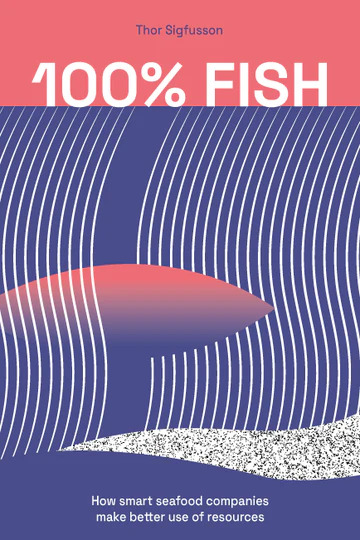
In 100% Fish, Thor Sigfusson challenges a different but equally powerful issue: waste. Traditionally, a lot of fish biomass — heads, frames, organs — was discarded or under-used in processing. Sigfusson’s vision with the Iceland Ocean Cluster is to use 100 % of each fish, turning byproducts into nutritious foods, oils, biomaterials and innovative products.
Governments should be looking to raise awareness in this area. It could be a ‘game changer’ if governments challenged and supported industry in maximising the catch and engaging in full utilisation of such an efficient product. (European Carp current pest could be the ‘light’ moment?)
This “zero-waste” idea is not just environmentally smart — it’s economically smart, creating value for fishers, processors and communities.
What that means for consumers: when government, industry and markets embrace full utilisation, it can:
• Reduce pressure on wild stocks by improving profitability from less catch.
• Increase diversity of seafood products available.
• Reduce environmental impact from processing waste.
Innovation & Collaboration Are Key
Both books point toward solutions:
In Cod, communities that managed stocks responsibly (like Iceland and Norway) have healthier fisheries compared to those that didn’t. In 100% Fish, Sigfusson highlights innovation clusters and industry collaboration as ways to build more resilient seafood sectors.
This suggests that systems change — not just consumer demand — is crucial. It’s about governance, science, technology and economic incentives all working together.
Seafood Consumers Can Become Stewards
So what can you take from these books?
Be curious about origins
Know where your fish comes from — species, stock health, fishing or farming method.
Support sustainable fisheries & brands
Choose seafood from well-managed sources and certifications that reflect responsible practices.
Embrace whole-fish eating
Cooking with fish heads, bones, cheeks and off-cuts isn’t just frugal — it’s ecologically meaningful.
Advocate for smarter policy
Consumer education and demand influence markets and regulation — from quota setting to byproduct utilisation.
Final Thought: Fish Isn’t Just Dinner — It’s History in Motion
Cod reminds us that a single fish species helped shape the modern world and then nearly vanished because humanity took it for granted. 100% Fish shows a way forward, where we honour the whole fish and minimise waste while keeping ecosystems healthy.
For seafood consumers — whether chefs, eaters or advocates — these books together show that understanding seafood means understanding our place in the food system of the sea. It’s a beautiful, complex story — and it’s still being written.
Thor Sigfusson’s 100% Fish and Mark Kurlansky’s Cod: A Biography of the Fish That Changed the World. Fishing folk could look at this as the Cash On Delivery (C.O.D) for innovation!
References
Kurlansky, Mark. Cod - a Biography of the Fish That Changed the World. 1997. 250 Camberwell Road, Camberwell, Vic 3124, Australia, Penguin Group, 1998.
Sigfusson, Thor. 100% Fish – ISBN 978-0918172-89-1. September 2023. https://100fishbook.com/
Comments
No comments yet.