

When Christopher Pyne, Chair of COTA Australia, addressed the National Press Club (4 February 2026) on the State of the Older Nation, the message was clear:
older Australians are far more diverse — and far more financially exposed — than many people assume.
While the speech focused on income, health access, and wellbeing, it carries important lessons for food systems, particularly seafood, one of the most nutritious yet increasingly inaccessible food categories for older consumers.
For the Seafood Consumers Association (SCA), the implications are significant.
Older Australians Are Not All “Comfortable Retirees”
One of the strongest themes emerging from COTA’s work is that a substantial proportion of older Australians live on tight, fixed incomes, with limited capacity to absorb rising living costs.
This matters because food choices are often the first lever people pull when budgets are under pressure.
When prices are unclear, promotions are complex, or loyalty schemes obscure the full cost of food, older consumers are disproportionately affected. Many do not have the time, confidence, or digital tools to navigate complicated pricing structures, particularly for fresh foods like seafood, where prices fluctuate daily.
Seafood: A Nutritional Essential, Not a Luxury
Seafood is uniquely important for healthy ageing. It provides:
- high-quality protein to maintain muscle mass
- omega-3 fatty acids that support heart, brain, and joint health
- key micronutrients often lacking in later life
Yet seafood is frequently treated and priced as a discretionary item.
When older consumers face:
- unclear pricing at the counter
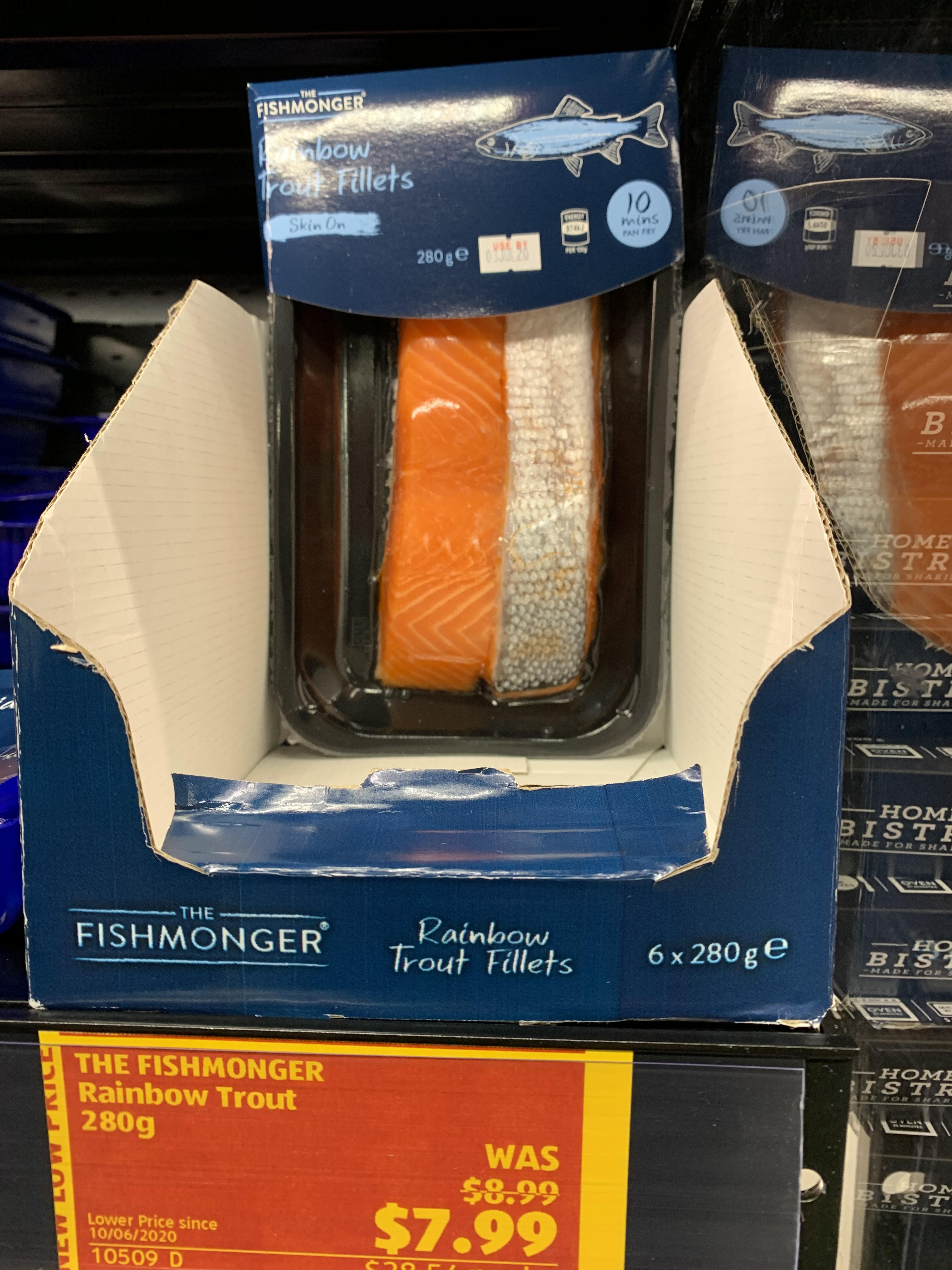
- “specials” without reference prices
- loyalty-only discounts
- online prices that do not match in-store reality
the result is predictable: seafood consumption declines, even when it would most benefit health.
This is not a failure of individual choice — it is a failure of transparency.
Price Transparency Is a Health Issue for Older Australians
The Government’s current focus on supermarket price transparency is often framed as a competition or fairness issue. For older Australians, it is also a nutrition and wellbeing issue.
COTA’s research highlights the link between financial stress and poorer health outcomes. Diet quality plays a vital role in that relationship.
Clear, truthful pricing:
- helps people budget confidently
- supports meal planning
- reduces anxiety at the checkout
- enables fair comparison between protein sources
Opaque pricing does the opposite. It nudges consumers away from fresh, nutritious foods toward cheaper, more processed alternatives.
Promotions and Loyalty Programs: Who Really Benefits?
Promotions and loyalty schemes are now a core part of supermarket pricing strategies. However, for many older consumers:
- loyalty programs are confusing
- digital access is uneven
- the “real” price is hard to identify
When discounts apply only to members, or when promotional conditions are unclear, non-participating consumers quietly pay more often without realising it.
For essential foods like seafood, this creates an equity problem.
If we are serious about supporting healthy ageing, pricing systems must work for people on fixed incomes — not just for the digitally fluent or time-rich.
Truth-Telling Reduces Costs — For Everyone
There is a simple principle at work here:
If you tell the truth, you do not need to cover it up.
Transparent pricing and promotions reduce:
- staff confusion
- consumer disputes
- training complexity
- compliance costs
They also make it easier to train supermarket staff to explain products confidently and accurately, particularly important in seafood, where consumers often seek advice.
In an ageing society, clarity is not a “nice to have.” It is an efficiency and trust issue.
What This Means for Seafood Policy and Practice
The State of the Older Nation reminds us that food systems must serve people across the life course, not just the average or the affluent.
For seafood consumers, especially older Australians, this means:
- clear in-store and online pricing
- honest promotions with full information
- transparent loyalty impacts
- consistent product naming and labelling
These are not radical demands. They are basic conditions for informed choice.
Putting Older Seafood Consumers at the Centre
The FAO has recently called for food systems that put consumers at the centre. COTA’s work shows why this matters.
If Australia wants healthier ageing, reduced pressure on health services, and stronger consumer trust, seafood must be accessible, understandable, and fairly priced.
Transparency is not about punishing retailers.
It is about enabling older Australians to keep eating the foods that help them live well.
That is a goal worth pursuing.
What SCA Is Calling For: To support older Australians and others on fixed incomes, the Seafood Consumers Association calls for: Clear, truthful seafood pricing Consistent in-store and online prices, including unit pricing, so consumers can compare value easily. Honest promotions Full disclosure of reference prices, promotion duration and any loyalty conditions — especially for fresh seafood. Transparent loyalty impacts Regular reporting on how loyalty programs affect the real price paid for essential foods such as seafood. Improved access to affordable seafood Recognition that seafood is a nutritional essential, not a luxury, particularly for healthy ageing. Better alignment between policy and outcomes Fisheries, retail and competition policies must consider consumer affordability and food security alongside sustainability goals. Putting consumers at the centre means ensuring seafood remains understandable, accessible, and affordable — especially for those living on fixed incomes. |
Comments
No comments yet.