

When people think of Prawns, they usually picture saltwater species — Banana, Tiger, King and Endeavour our Australia’s main species of prawns but it is Vannamei species (can only be imported) which most consumers are eating. These are salt or brackish water products that we all enjoy.
Quietly, and largely out of the public eye, Freshwater Prawns have built a global reputation as a premium, nutritious, and versatile seafood — one that may hold exciting promise for Australia’s north.
FRESHWATER PRAWNS Macrobrachium spp. 28 756901 Palaemonidae (palaemonid shrimps) AS5300 2002-01-01
Freshwater prawns, species Macrobrachium rosenbergii, are among the most fascinating species in aquaculture. They can grow to more than 30 centimetres in length, develop thick, meaty tails, and deliver a flavour that many describe as sweet, clean, and lobster-like. They have large pincers and look the part.
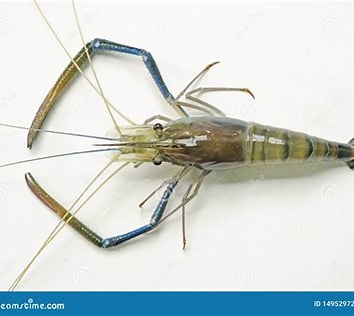
Despite the name, these prawns live a complex life. Adults thrive in rivers, lakes, and ponds, while their larvae require brackish water in early development before moving upstream. This unique biology allows them to be farmed entirely inland, sometimes hundreds of kilometres from the coast — a major advantage in a world increasingly focused on food security, logistics, and sustainability.
A Nutritional Standout
From a health perspective, freshwater prawns tick many boxes. They are:
• High in quality protein, supporting muscle repair and satiety
• Low in fat, making them ideal for heart-healthy diets
• Rich in vitamin B12, selenium, zinc, and phosphorus, essential for metabolism, immunity, and nervous system function
• Naturally lower in sodium than many saltwater prawns, appealing to consumers managing blood pressure
For families, older Australians, athletes, and those following Mediterranean or protein-forward diets, freshwater prawns offer a compelling alternative to red meat or processed protein sources.
Global Production — Asia Leads the Way
Freshwater prawns are not new. Globally, production exceeds 300,000 tonnes annually, with a value estimated at over US$2.4 billion.
The top five producing countries are:
1. China – the clear global leader, producing more than half of world supply
2. Bangladesh – a long-established producer supporting rural livelihoods
3. Thailand – with advanced hatchery and pond systems
4. India – experiencing renewed interest as farming systems improve
5. Vietnam – contributing through integrated freshwater aquaculture
These prawns are widely consumed across South and Southeast Asia, where they feature in celebratory dishes, street food, and high-end cuisine. Yet in Western markets, including Australia, freshwater prawns remain under-recognised — often overshadowed by marine shrimp imports.
Why Consumers Should Consider Freshwater Prawns
There are growing reasons for consumers to take notice.
Freshwater prawns offer a milder flavour than saltwater prawns, appealing to those who find marine seafood too briny. Their firm texture holds up well to grilling, barbecuing, curries, stir-fries, and pasta dishes. From a sustainability perspective, freshwater prawn farming typically involves lower disease pressure, fewer chemical inputs, and can be integrated with fish or crop systems, recycling nutrients efficiently.
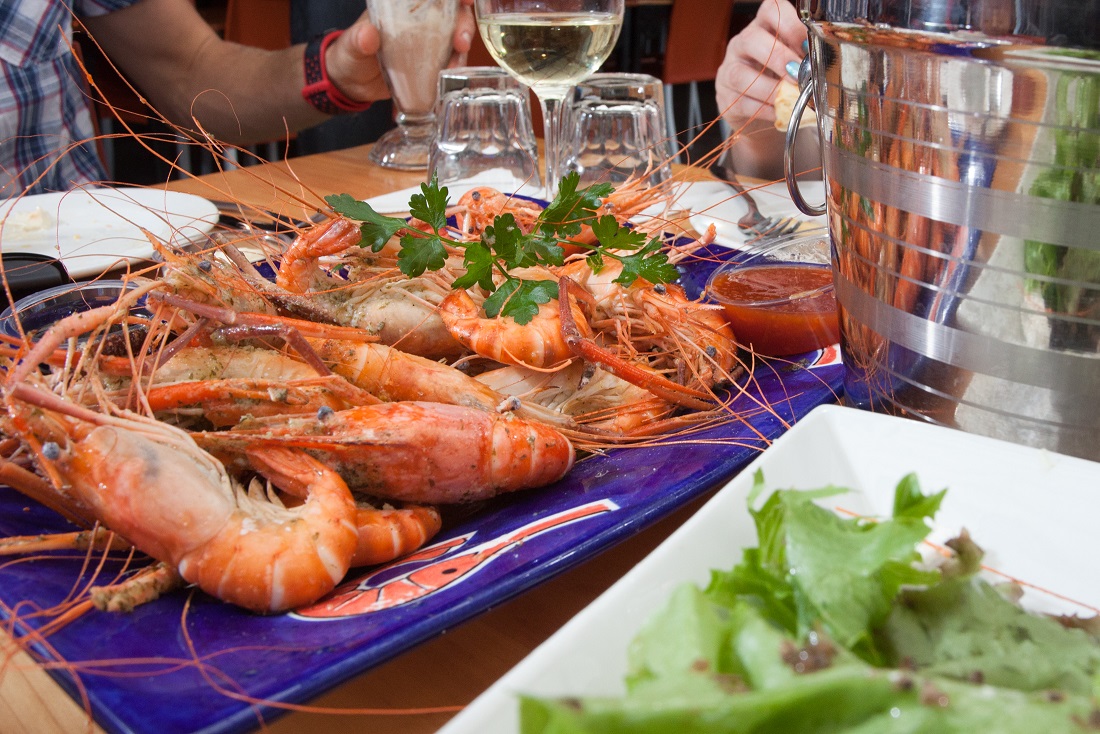
From an affordability aspect they should be cheaper, but much will depend on the form you buy them. As a whole product they are a stand out at the BBQ!
Opportunity for Northern Australia
Despite Australia’s world-class aquaculture expertise, freshwater prawn farming has never fully taken off at scale.
Northern Australia, with its warm climate, abundant water resources, and strong Indigenous stewardship traditions, is well suited to freshwater prawn production. The species aligns naturally with regional development, food security, and Indigenous enterprise, offering opportunities beyond extractive industries.
This brings us to a quietly powerful moment on the horizon which may well see this gap in Australian production closed.
At evokeAG 2026, to be held at the Melbourne Convention and Exhibition Centre on 17–18 February, the Hope Vale Foundation will be part of the conversation — exploring pathways to establish a freshwater prawn farm in northern Australia.
This is more than an aquaculture project. It represents:
• Indigenous-led economic development
• Sustainable protein production aligned with Country
• Skills, jobs, and food sovereignty for future generations
If successful, it could position freshwater prawns not just as a niche product, but as a symbol of what modern Australian food systems can become — inclusive, innovative, nutritious, sustainable and regionally grounded.
Freshwater prawns may not yet enjoy the profile of their saltwater cousins. But as global demand grows for sustainable protein and local production, their time — and Australia’s opportunity — may finally have arrived.
Comments
No comments yet.