

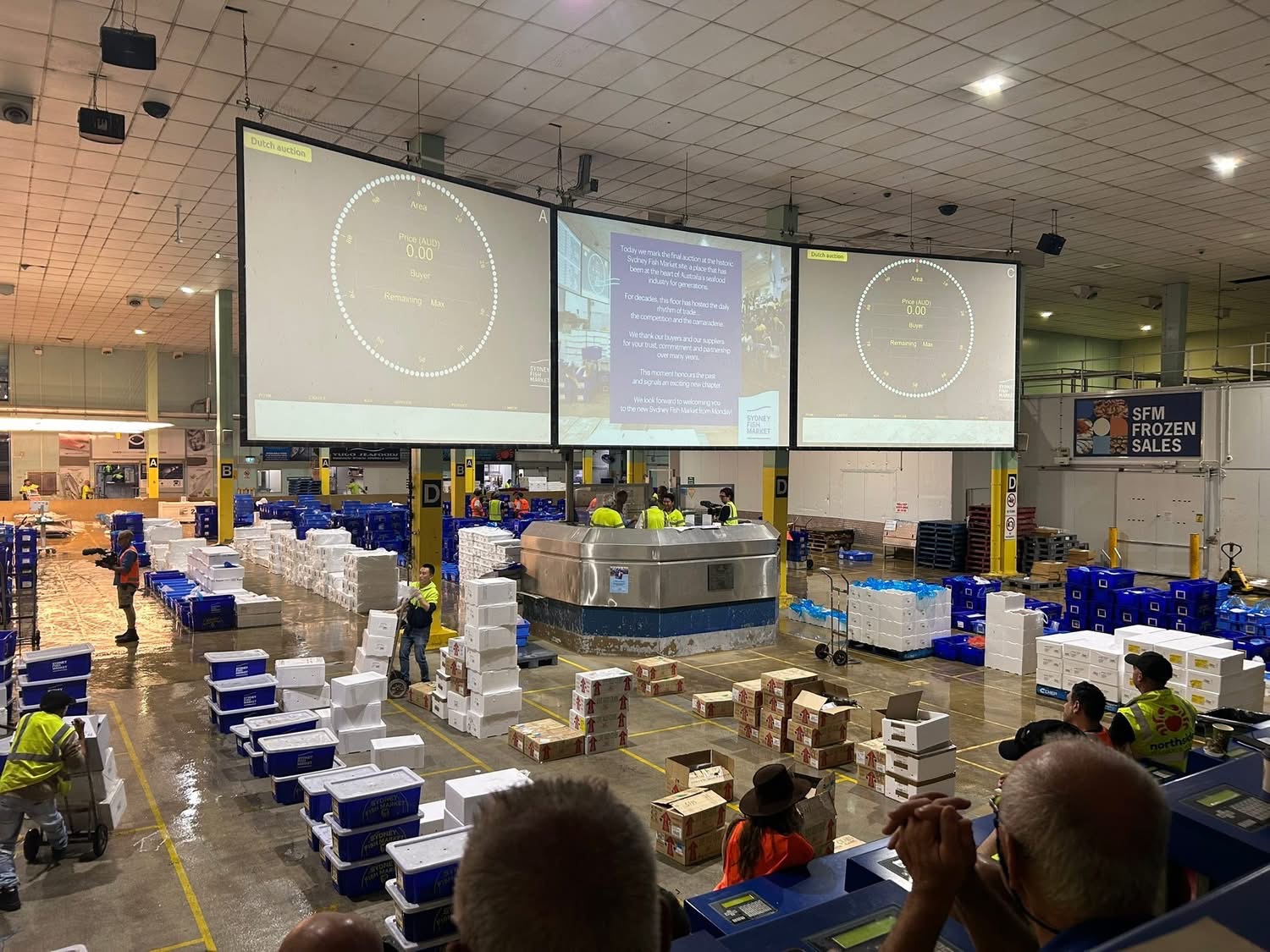
Today marks a historic day for the Sydney seafood community and the city as a whole. After 36 remarkable years of operation on the auction floor at the Pyrmont/Ultimo site, the iconic Sydney Fish Market has closed its doors at its old location, ushering in a new chapter at a purpose-built facility on the edge of Blackwattle Bay. Seafood lovers, traders, fishermen, and Sydneysiders alike stood witness to the final auctions before the relocation — a moment heavy with nostalgia, celebration, and reflection.
A Legacy Born from Necessity
The story of Sydney’s fish markets goes back much further than many realise. Sydney’s first wholesale fish trading hub began in the late 19th century at Woolloomooloo, before evolving through sites such as Redfern and Haymarket as the city and fishing industry grew. In 1966, the market was relocated to its long-loved home at Blackwattle Bay — where it stayed until today.
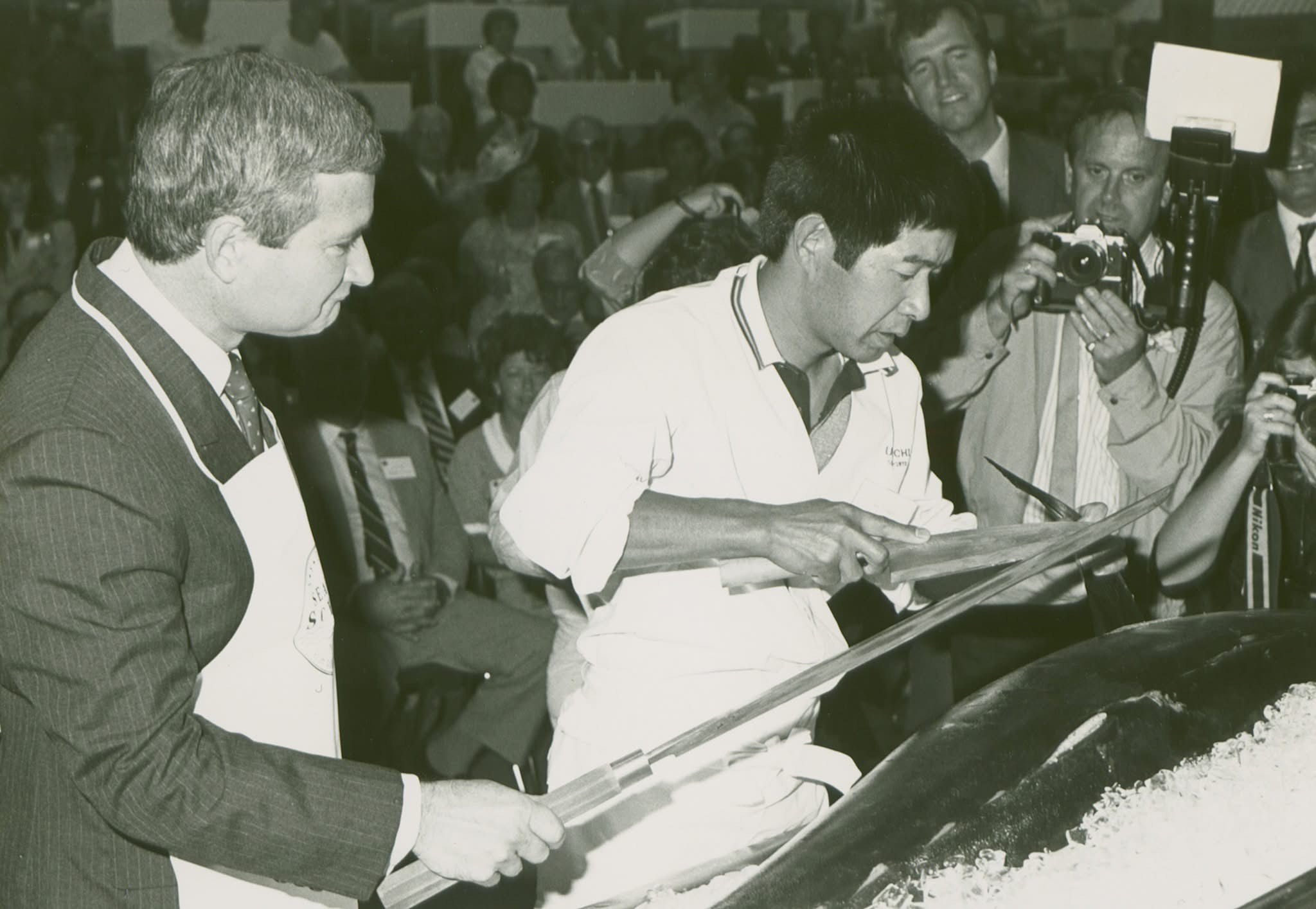
What began largely as a wholesale market for Sydney’s fishing fleet became a cultural institution. Early days saw buyers shouting bids over wooden crates of ocean produce; by the 1980s, the market had modernised, expanding its role as both a trade hub and a beloved destination for locals and tourists. A computerised Dutch auction system (prices start high and go down) was introduced in 1989, making the sales process more efficient and transforming trading for fishermen and buyers alike.
Over the years, the market evolved into so much more — a place where families came on weekends for fish and chips, where chefs shopped for premium produce, and where visitors experienced Sydney’s unique connection to its harbour and sea. The Sydney Seafood School, another innovation from the market, drew thousands of food lovers eager to learn how to prepare seafood like the pros.
Farewell to the Old Auction Floor
This week’s final 36-hour seafood marathon — the last 36-hour trading frenzy before closing the old site — drew crowds in the tens of thousands, celebrating the pulse and spectacle of Sydney’s seafood culture one last time in the original auction hall. The marathon wasn’t just a sales event; it was a ritual, a tradition, and a showcase of the incredible variety of seafood that has passed through the market for decades, from Prawns and Oysters to Snapper and Kingfish.
The New Sydney Fish Market at Blackwattle Bay
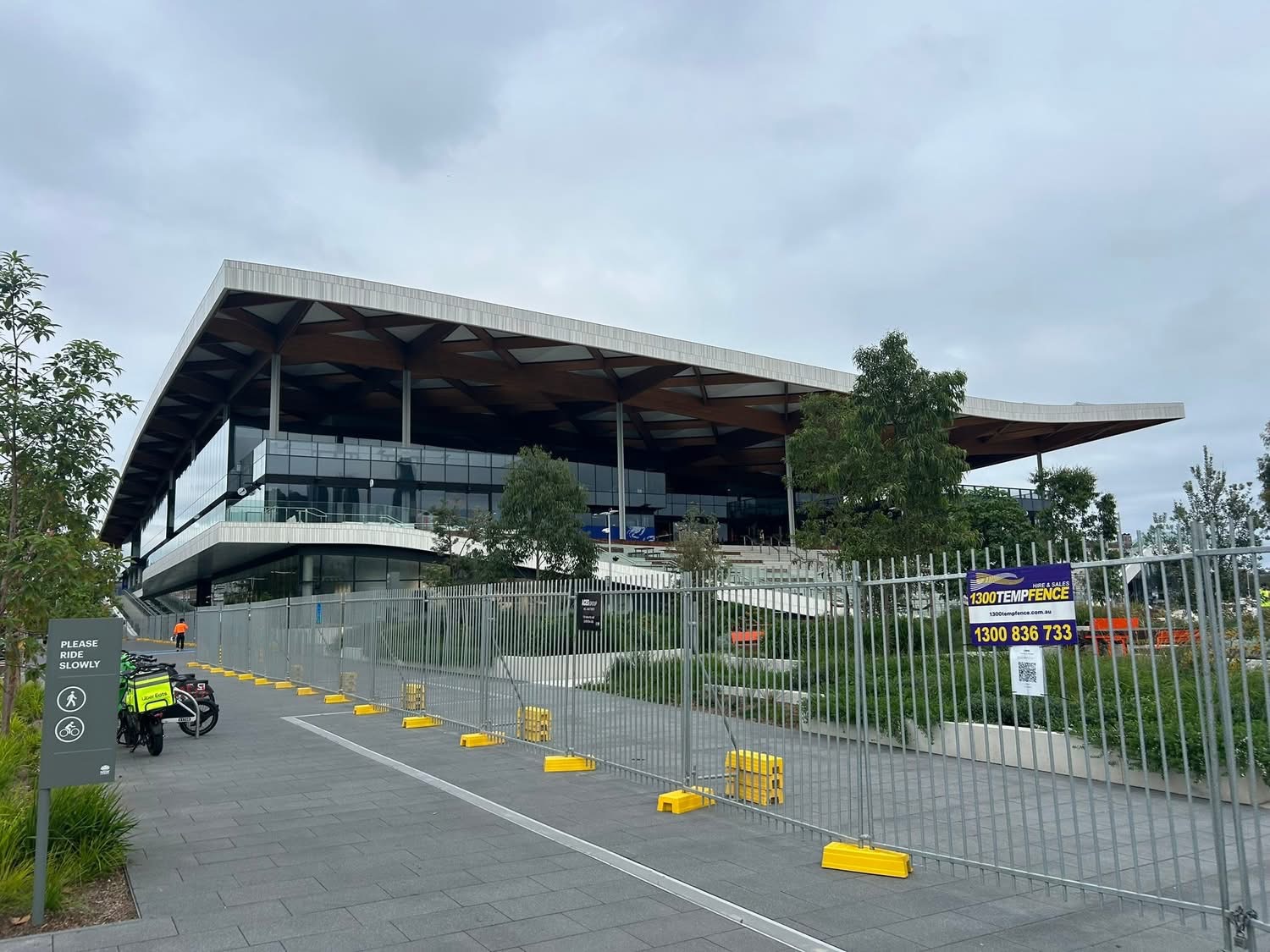
On January 19, 2026, the new Sydney Fish Market opens its doors — a bold, modern reimagining of what a fish market can be, both commercially and architecturally. Situated just a short distance from the old site, the new facility is the result of years of planning and investment, forming a key part of the Bays Precinct revitalisation.
The new market features:
• More than double the retail space of the old hall, with expanded seafood vendors, eateries, restaurants, and specialty food outlets.
• A stunning wave-inspired roof and striking design by international and Australian architects, intended to make the market an architectural landmark on Sydney Harbour.
• Upgraded auction and wholesale facilities, ensuring that the market remains an authentic place for Sydney’s fishermen to sell their catch.
• Public space, promenades, and artworks celebrating Indigenous fishing cultures and Sydney’s maritime heritage.
Beyond its commercial function, the new market aims to be a global tourist destination with potential to attract over six million visitors annually and transform the way both locals and international visitors interact with Sydney’s seafood culture.
Reflections on Change
For many, closing the old market is bittersweet. The Pyrmont site wasn’t just a building — it was a living, breathing ecosystem — a place of early morning auctions, seagull chaos and seafood aromas that stirred Sydney’s senses. It’s a chapter of the city’s industrial and cultural history that will be remembered fondly. There were many issues from drainage/pipes; bin chickens (Ibis) and seagulls inside the building; the smell (often called SFM au de cologne), etc but it was a great meeting place and it attracted consumers. Noting that the car park was a leading profit line every year!
Yet, progress and renewal are inevitable in a growing metropolis. The new market represents not only a modern wholesale and retail facility, but a reimagined cultural hub that seeks to elevate Sydney’s reputation on the world stage. Whether this transformation strikes the right balance between commercial spectacle and traditional market heart is something that will be debated in the years ahead.
Questions Worth Asking
As Sydney turns the page, two important questions arise that both seafood lovers and city-makers should consider:
• Is the new Sydney Fish Market the best use of public funds? The redevelopment has come with a substantial investment — arguably one of the biggest harbour-front projects in decades. While the world-class design and expanded facilities promise economic and cultural benefits, some community members question whether that money could have been spent on direct industry support, sustainability initiatives, or affordable housing in an era of rising living costs.
• Where is the fish actually coming from? In a globalised seafood market, much of what’s showcased and sold has travelled long distances — by truck or plane — from fishing grounds beyond Sydney’s immediate waters. As the new market’s focus shifts toward visitor experience and tourism, how will it ensure that fresh, locally caught seafood remains at its heart?
Sydney’s fish market story is rich and evolving. As we look forward to the future at Blackwattle Bay, we also honour the legacy of the old auction floor — a place that wasn’t just about fish, but community, culture, and the unmistakable rhythm of Sydney’s harbour life.
Thanks to photos from SFM
Comments
No comments yet.