

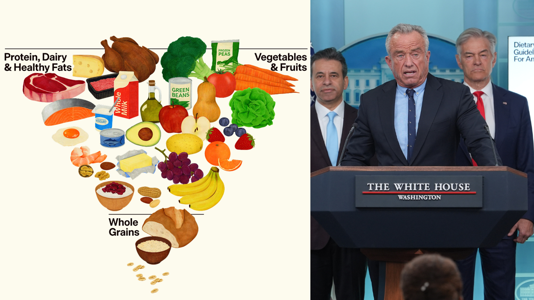
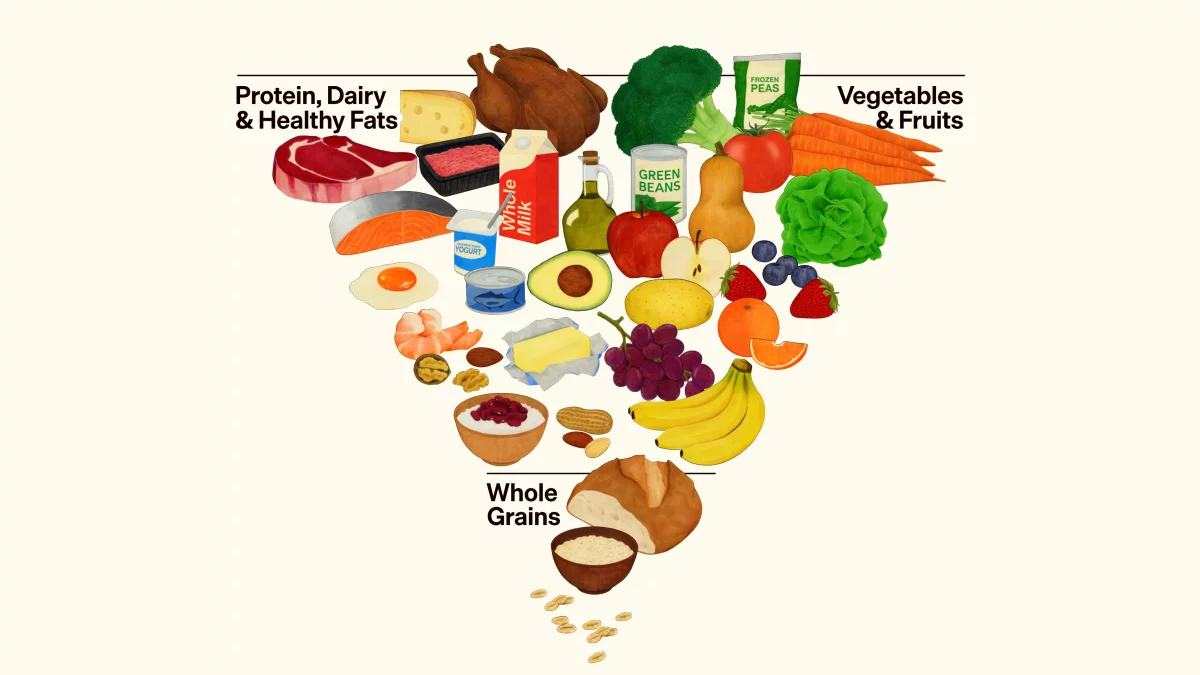
In early January 2026, the United States released a major overhaul of its national dietary guidance — a reset of the way Americans are told to eat for health, growth, and lifelong wellbeing. The updated Dietary Guidelines for Americans 2025–2030 (https://cdn.realfood.gov/DGA.pdf ) feature a redesigned food pyramid that places nutrient-dense protein and healthy fats at the top, strongly discourages highly processed foods and added sugars, and urges people to “eat real food.”
While headlines have focused on the emphasis on high-quality proteins, healthy fats, fruits and vegetables, this historic shift carries a quiet but powerful endorsement for seafood — a whole-food source of both quality protein and beneficial fats (including omega-3s). The National Fisheries Institute welcomed the guidelines for highlighting seafood’s role in a healthy diet, noting that marine foods naturally fit the “real food” message and recommending seafood from infancy through adulthood.
What This Means for Seafood
Seafood is more than just a menu choice — it’s a source of essential nutrients that many diets around the world lack in adequate amounts.
Seafood combines high-quality protein with healthy fats like EPA and DHA, nutrients scientifically linked with cardiovascular health, cognitive development and healthy ageing.
The new U.S. guidance explicitly features seafood in its food pyramid graphic (from Salmon and Shrimp/Prawns to versatile canned fish) highlighting its place among foods that “count” towards a healthy, affordable diet.
The guidelines even recommend introducing seafood early in life and continuing consumption across the lifespan.
This is not simply about taste or tradition; it is about health outcomes. When national dietary advice recognises the unique nutrition seafood delivers, it creates demand — and demand means pressure on food systems to supply these goods affordably and sustainably.
The Bigger Lesson: Nutrition Is About Food Access — Not Just Catching Fish
Australia, like every other seafood-producing nation, often debates industry issues like:
• quotas and sustainability in Western Australia’s commercial fishing sectors,
• recreational fishing access and facilities in Victoria’s freshwater and coastal zones.
These are important discussions — but they focus too narrowly on who gets to fish, not who gets enough healthy food. The U.S. shift in dietary guidance illustrates a far more fundamental priority: ensuring that all people can access nutrient-rich, affordable foods.
Seafood security, the ability of every community to obtain sufficient, safe, nutritious seafood, should be treated with the same urgency as water security, energy security and food security from cereals or livestock.
Why Every Country Needs a Seafood Security Strategy
National dietary guidelines reflect more than nutrition science — they shape school lunches, medical advice, food program procurement, health policy, and even military readiness. By placing whole-food protein (including seafood) front and centre, the U.S. is signaling that diet and population health are national priorities.
For countries like Australia:
Affordable access matters. Healthy food choices must be available not just to wealthy consumers but to families in remote communities and low-income neighbourhoods. Seafood must be cost-competitive with other proteins.
Supply diversity is essential. Relying solely on wild catch or prioritising recreational fishing as a cultural pastime does not guarantee consistent access to seafood at scale. Aquaculture, value-added processing, and market infrastructure are part of food security too.
Policy must span the whole food system. From harvesting and farming to distribution, storage, retail pricing and nutrition education, we need integrated thinking that supports sustainable ecosystems and healthy diets.
Moving Beyond the Fishing-Only Mindset
Too often fisheries policy is debated in narrow technical terms: tonnes harvested, license fees, bag limits at the beach. But national dietary advice reminds us that food systems are about health outcomes and social wellbeing.
Rather than viewing seafood as a niche lifestyle choice for anglers or foodies, it makes sense to elevate seafood as:-
A cornerstone of healthy diets recognized by national nutrition policies.
A staple food with public health implications, not just a leisure or export product.
A strategic asset in nutrition security, requiring policy support across sectors, not only fisheries.
Conclusion: Think Nationally, Eat Globally — But Act Locally
The U.S. may have flipped its food pyramid, but the underlying message is simple: food quality and access matter. This presents a clear call to action for governments, industry groups, health professionals, and consumers worldwide:
Do not let seafood be relegated to the sidelines of nutrition policy. Build seafood security into national food strategies. Ensure your communities from cities to rural towns can obtain affordable, healthy seafood daily, not just occasionally. And recognise that fisheries and aquaculture are part of broader food systems that must deliver nutrition, not just catch numbers.
Because in an age of chronic disease and diet-linked health burdens — and with seafood now promoted as a nutrient priority — ensuring seafood access for all isn’t a luxury. It is a necessity.
Comments
No comments yet.